The presence of microplastics in archaeology sites could prompt a major industry rethink
- Typically archaeologists try to leave artefacts in their original resting position
- But the concern is that plastics could toxify deposits, maybe prompting excavation

Microplastics are everywhere, having been found in the stomach of a dead whale at Point Nemo – the most remote point on the planet – and even inside human blood. We can now add “archaeological excavation sites” to that list.
In early March, a team of scientists from the universities of Hull and York published a study in the peer-reviewed journal Science of The Total Environment that outlined the discovery of microplastics at two excavation sites in the historical British city of York.
“We are getting used to reading articles about microplastics in the food chain and even our bodies. Our research has revealed that we are also identifying microplastics in archaeological deposits several metres deep,” said Paul Flintoft, a regional manager at York Archaeology and author of the study.
Flintoft told the Post that the discovery suggests that certain artefact deposits believed to remain unchanged are, in fact, constantly evolving.
“Contemporary activities are leading to the contamination of a unique scientific resource,” he said.
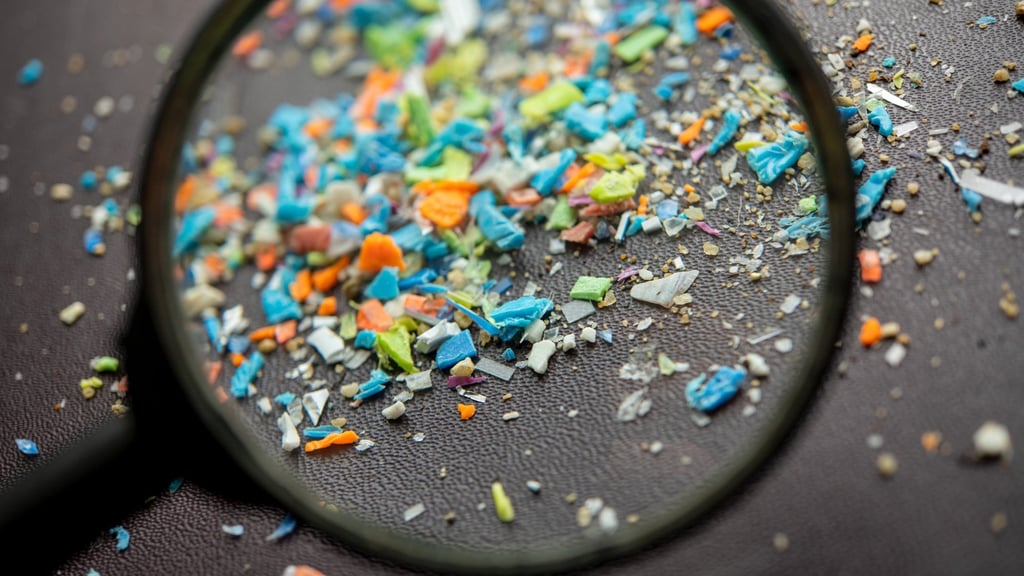
Microplastics are defined as plastic particles ranging from one-thousandth of a millimetre to 5mm (smaller plastic pieces are called nanoplastics). They are a pernicious problem in the battle against plastic pollution because they easily pass through filters, netting, and other tools we use to clean up plastic waste.