‘Two-headed marriages’ in China abandon bride prices, dowries and children taking name of father as tradition ditched for modern practicality
- New approach to marriage seeks gender equality and commitment to have two children
- Traditions like bride prices, dowries, children taking surname of father and the ‘domesticated’ women are also being abandoned

A novel relationship trend known as “two-headed marriage”, or liang tou hun, has emerged in China in response to changing social dynamics and the growing number of single-child families.
The evolving marriage process has two core features: no bride price or dowry and a prior agreement between both parties to have two children, with one child taking the father’s surname and the other that of the mother.
Expenses for housing, vehicles and other living costs are shared, each spouse is responsible for the care of their own parents and must take turns visiting both sides of the family during major holidays.
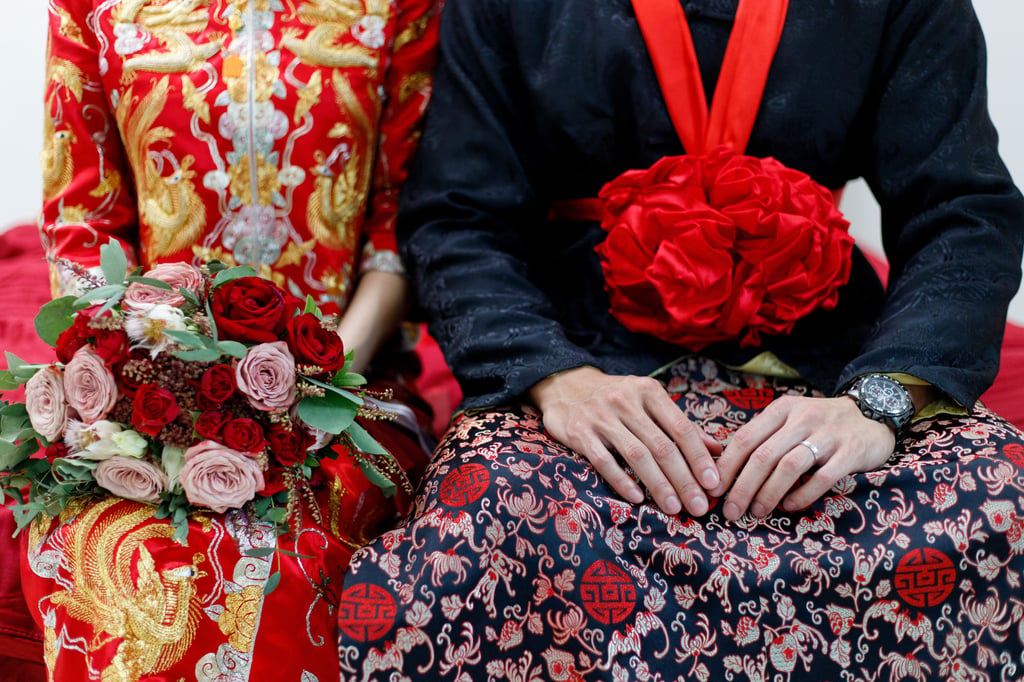
The new arrangements contrast sharply with conventional Chinese marriage customs, which typically involve a woman becoming part of her husband’s family upon marriage, where she is seen primarily as a bearer of children.
Other traditional marriage practices being abandoned include the husband and his family paying a bride price to his new wife’s family and children adopting the father’s surname.
Others being ditched include women taking on all household and childcare responsibilities and holiday visits being predominantly to the husband’s family.
Similar versions of these approaches can be traced back to the Ming (1368-1644) and Qing (1644-1912) dynasties, particularly in regions such as Jiangsu, Zhejiang, and Shanghai, all in eastern China.
In Zhejiang, this practice was known as liang tou xiang huo, which means “extending the family line from both ends”, symbolising the continuation of family lineage without gender distinction.