Hit TV show brings back forgotten ancient Chinese ceremony involving intricate calligraphy and patterns in whipped tea
- Chabaixi, literally meaning ‘a hundred tricks with tea’, has gained overnight popularity after being featured in a popular Chinese period drama
- It was previously only known and mastered by a small group of tea enthusiasts, until TV show A Dream of Splendour featured it in an episode

An ancient Chinese tea ceremony involving drawing patterns and characters in whipped tea with water is making a comeback in China after it was shown on a hit TV drama set 1,000 years ago.
The long-forgotten drinkable art, chabaixi, literally meaning “a hundred tricks with tea”, has gained overnight popularity as viewers were stunned by the delicate painting and calligraphy with tea froth that looks like modern latte art.
Despite being added to the list of items of intangible cultural heritage of southeastern China’s Fujian province in 2017, chabaixi was only known and mastered by a small group of tea enthusiasts, until the television show A Dream of Splendour, where the technique was shown in detail, became one of the most-watched TV series after its debut on June 2.
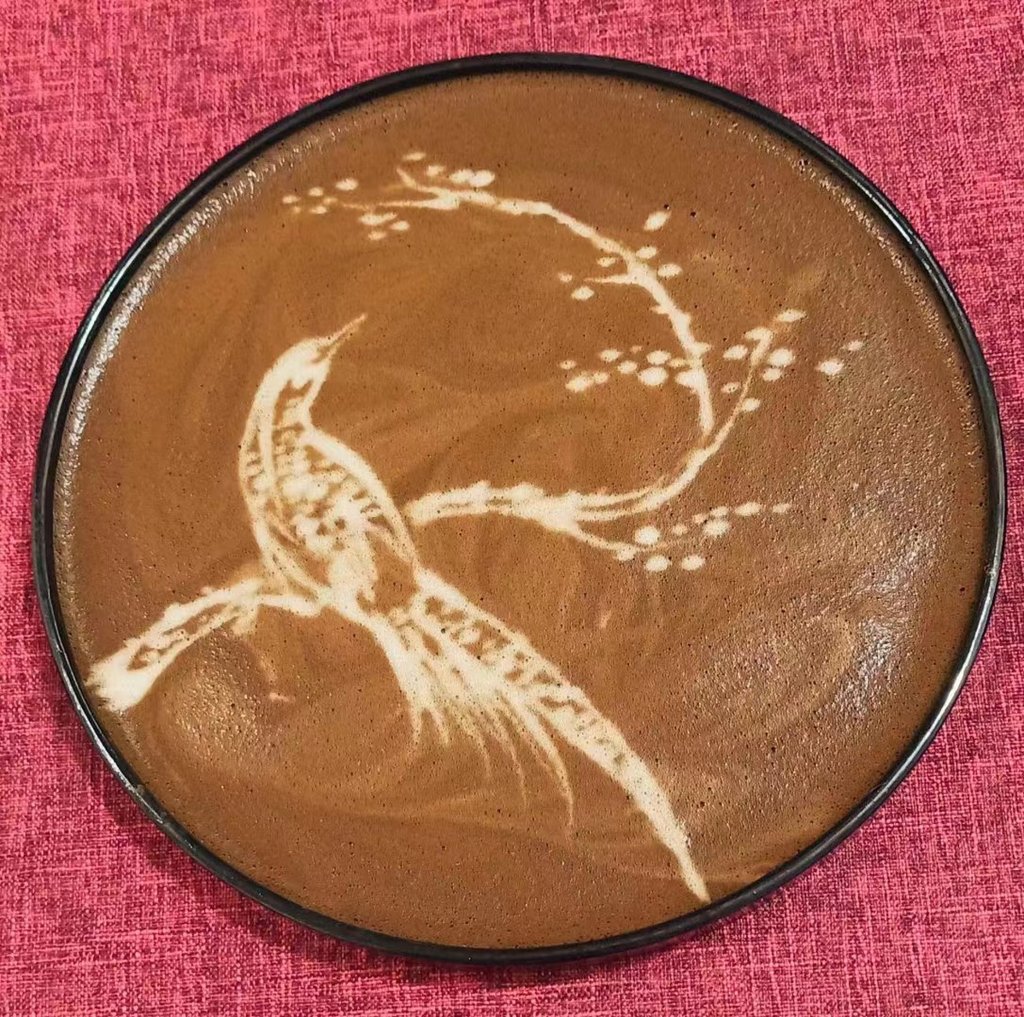
Chabaixi was a popular activity among scholars and officials during the Song dynasty (960-1279), but it almost disappeared in modern China, said Chinese heritage academic Zhang Zhifeng, who revived the technique in 2009.
“Like writing poems or painting, chabaixi was a way to express emotions and find inner peace in ancient times,” said Zhang, who has spent nearly four decades studying and promoting China’s intangible heritage.
Widely described in ancient poems, the chabaixi ceremony involves complicated procedures.
“There are over a dozen steps, from grinding tea for fine powder, to pouring boiled water and stirring the mixture for thick froth, and finally drawing the patterns,” Zhang said.