Centuries-old tomb continues to reveal clues about the life of Ming-era prince lost to history
- Tomb excavation revealed more information about royal burial attire and traditions
- Prince would be overshadowed by younger brother, who would become historical titan

Archaeologists in central China continue to uncover new insights during the excavation of the tomb of Prince Jin Duan (1358-1398), also known as Jin, one of the first-generation princes of the Ming dynasty (1368-1644) and whose younger brother would become a transformational emperor.
The tomb in Shanxi province in northern China, being excavated by the Taiyuan Institute of Cultural Relics and Archaeology, is also the final resting place of Jin’s wife, Princess Yuan, and two of his concubines, Lady Yin and Lady Wang, according to China News Service (CNS).
During the most recent excavation, scientists unearthed burial objects like jade artefacts, silk garments, pottery, and lacquered wooden coffins.
The tomb, which had been looted over the centuries, continues to reveal evidence about the burial attire and customs of princes during the Ming dynasty. The team also found the remains of the walls of the mausoleum that would have stood above the burial site.
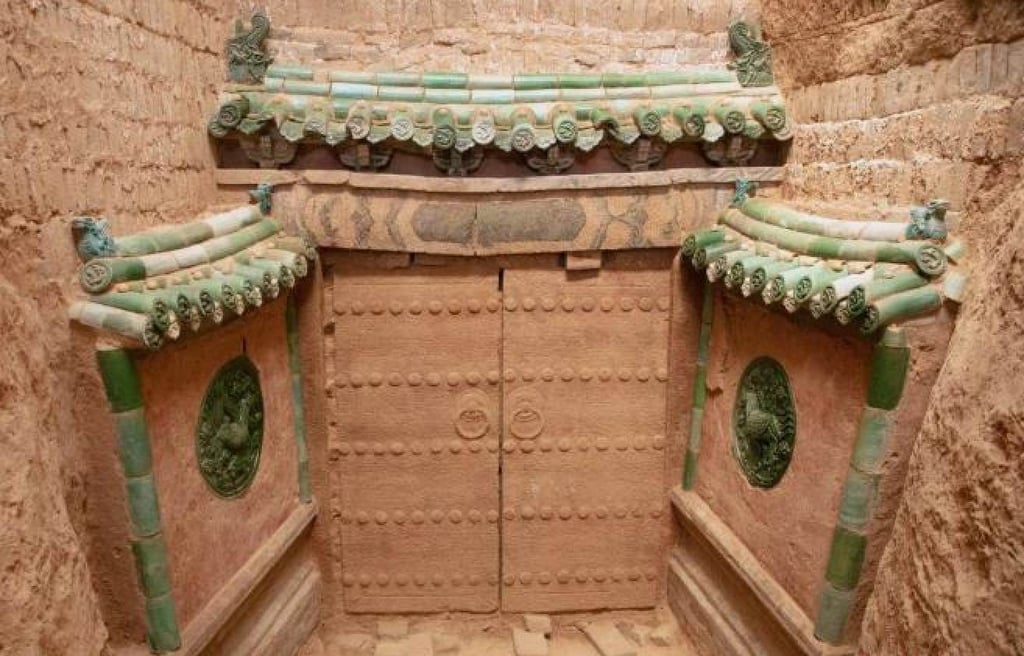
The tombs were originally discovered in 2019, and the scientists found inscriptions that confirmed the royal heritage.
Zhao Hui, who led the project, told CNS that the tombs did not have an antechamber, which suggests princes may have lost some of their political power in Ming-era China.