ExplainerWhat is ‘emotional theft’? China youth embrace small acts of resistance to flee repetitive existence
- Young adults “derail” their lives through small rebellious acts to ease stress
- Behaviour includes secret tattoos, living in separate rooms and concealing facts

A new phenomenon is emerging among young Chinese adults, with many people “derailing” their lives on purpose by living in secret.
This may mean they never tell their mother how much they earn, or partners decide to live in separate rooms. Some participants are even building a social media profile that is only visible only to themselves.
The lifestyle is called tou gan, which literally means “emotional theft”. So what does it entail and how did it come about? The Post explains.
What is tou gan?
The phrase refers to a secretive lifestyle involving small acts of “resistance” that circumvent the conformities of ordinary life.
The unconventional lifestyle has become a form of self-love.
For example, followers of tou gan might leave their job early to resist the widespread cultural norm of working overtime. They might also order fatty takeout food in rebellion against a disciplined lifestyle of healthy eating.
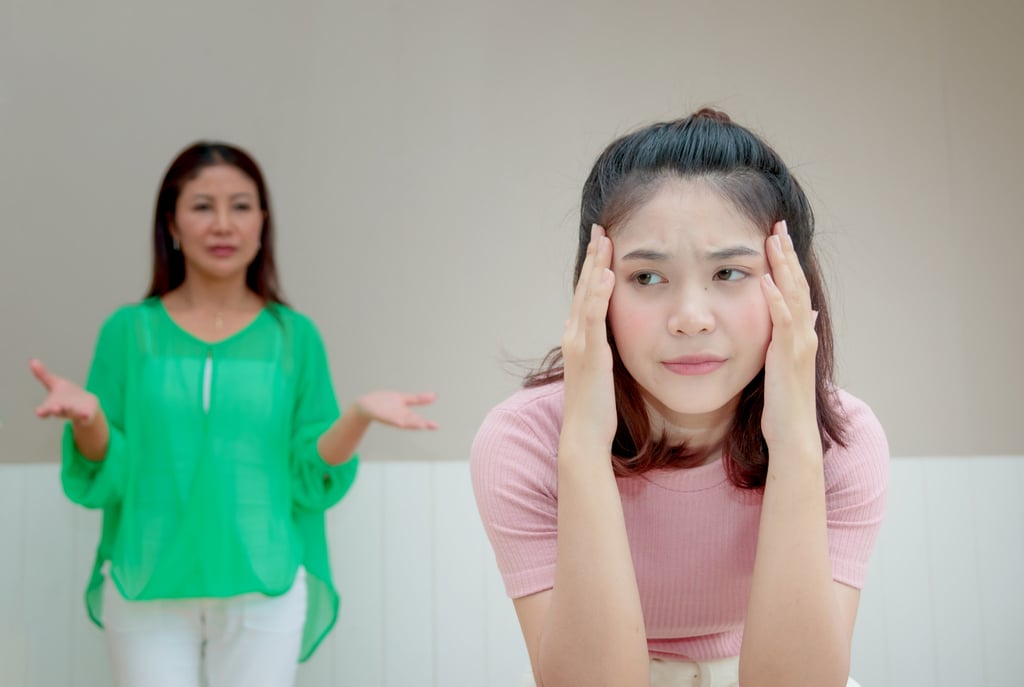
Kitty, not her real name, a woman from Guangdong province in southeastern China who practises “emotional theft”, never tells her parents how much she earns, which would be considered rude in many Chinese families.