China ‘996’ work culture dates back 2,200 years, shows work-life balance struggles through the ages
From prison terms to the lash, punishments for laziness at work were harsh centuries ago when emperors and farmhands faced similar pressures

In modern China, the so-called 996 work culture, working six days a week from 9am to 9pm, has become a major point of contention.
While some advocate for the gruelling schedule as a fast track to success, others decry it as “modern slavery”, pointing to cases where excessive work hours have led to severe health problems or even death.
The debate was first ignited in 2019, when an anonymous protest on GitHub, a global developer platform owned by Microsoft, drew attention to how the 996 culture threatens the well-being of technology workers.
The schedule breaches China’s labour law, which limits work to eight hours a day and 44 hours a week.
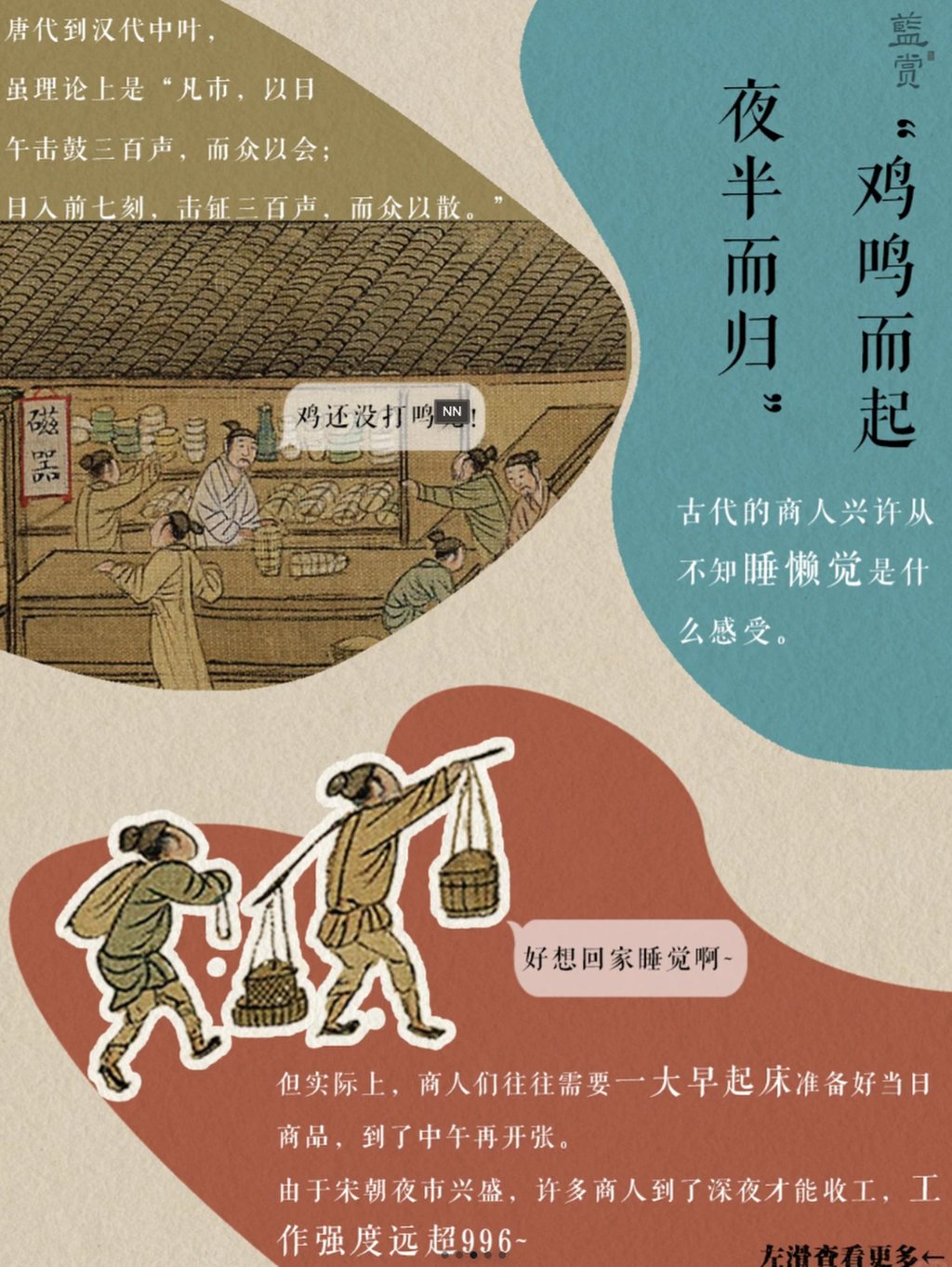
However, the phenomenon of overwork is far from new.
Long before tech giants emerged, Chinese workers had endured similar pressures for centuries.
During the Warring States period (475-221 BC), official Dong He worked tirelessly day and night while negotiating with a rival kingdom, one of the earliest records of overtime.