The gaokao effect: how China’s rigorous exam influences aspirations and social mobility
To ensure fairness, teachers responsible for developing exam questions reportedly confined in secure facilities for about a month

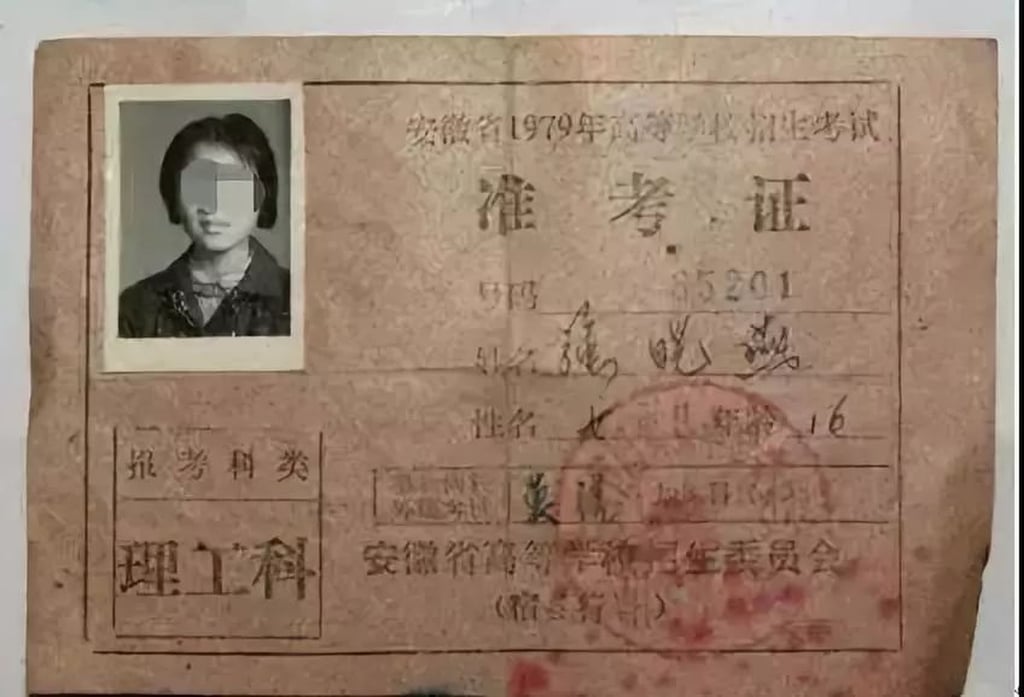
This year, China’s gaokao saw 12.9 million candidates, representing the second consecutive year of decline. Despite this trend, the gaokao remains critical – a demanding competition that profoundly impacts students’ university choices, career paths, social mobility, and potentially their futures.
Xue Haibo, a history professor at Nanjing Normal University, shared with the SCMP that while the gaokao has lost its function as a pathway to officialdom, it still carries significant cultural weight reminiscent of China’s imperial examination system.
According to Xue, the enduring belief that knowledge can alter one’s destiny has persisted for centuries, highlighting the emphasis Chinese families and the state place on education.
Originating from the Sui dynasty (581–618), the imperial examination system, known as keju, offered commoner men a rare opportunity for bureaucratic entry and social advancement.