Sips of history: how ancient Chinese brewing techniques shaped modern alcohol
Unopened 2,500-year-old bottle of liquor contains substantial volume of liquid, allowing researchers to analyse drink’s chemical composition

Alcohol has played a central role in human culture for at least 10,000 years, with the earliest known alcoholic beverage – a rice wine – originating from the Henan province of central China.
However, much of our understanding of these early adult beverages is superficial at best. Recently, a handful of studies from China are shedding light on what the oldest Chinese residents were drinking and how they crafted these libations.
The highlight was the discovery of an unopened bottle of drink from the Warring States period (475–221 BC), specifically from the State of Qin (897–221 BC).
This bottle contained a significant amount of liquid, differing from the usual faint traces of chemicals, allowing researchers to thoroughly investigate the drink’s chemical composition.
The team identified 24 chemical compounds that comprised the drink, offering a detailed insight into its recipe. The findings suggest that the drink was made from broomcorn millet – a grain – blended with wheat and barley.
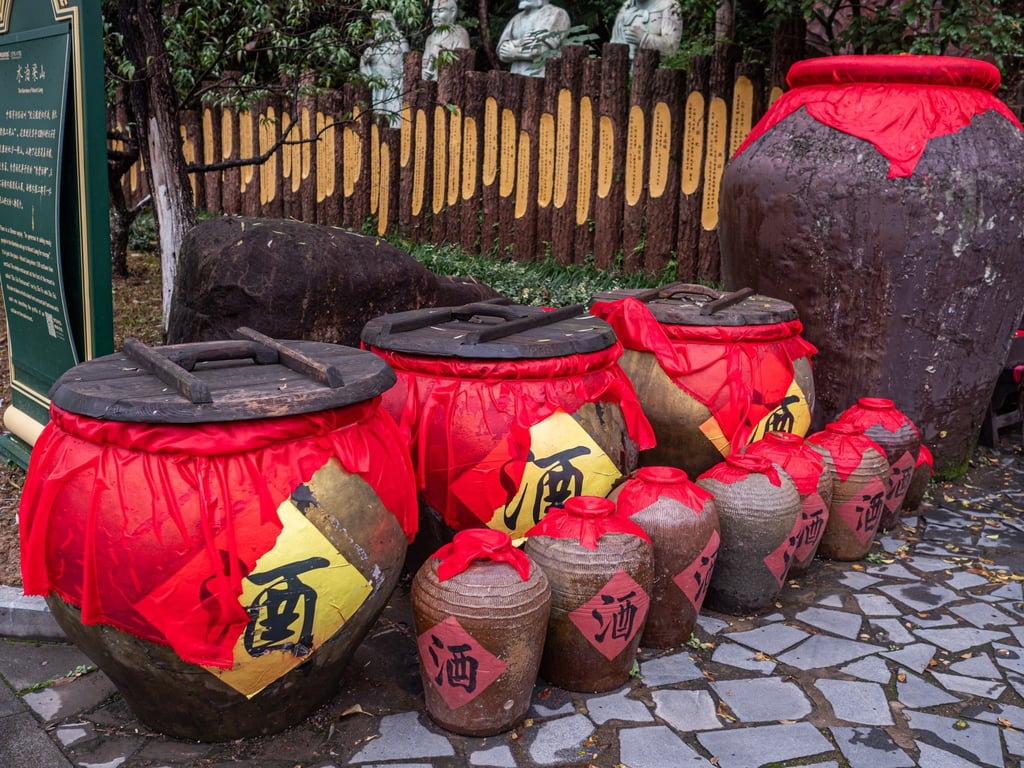
Importantly, this research provided further insight into a fermentation starter known as qu, which employs a mouldy yeast that is mixed with grains and water for fermentation. The presence of qu indicates that Qin society had developed sophisticated brewing techniques guided by deliberate recipes.