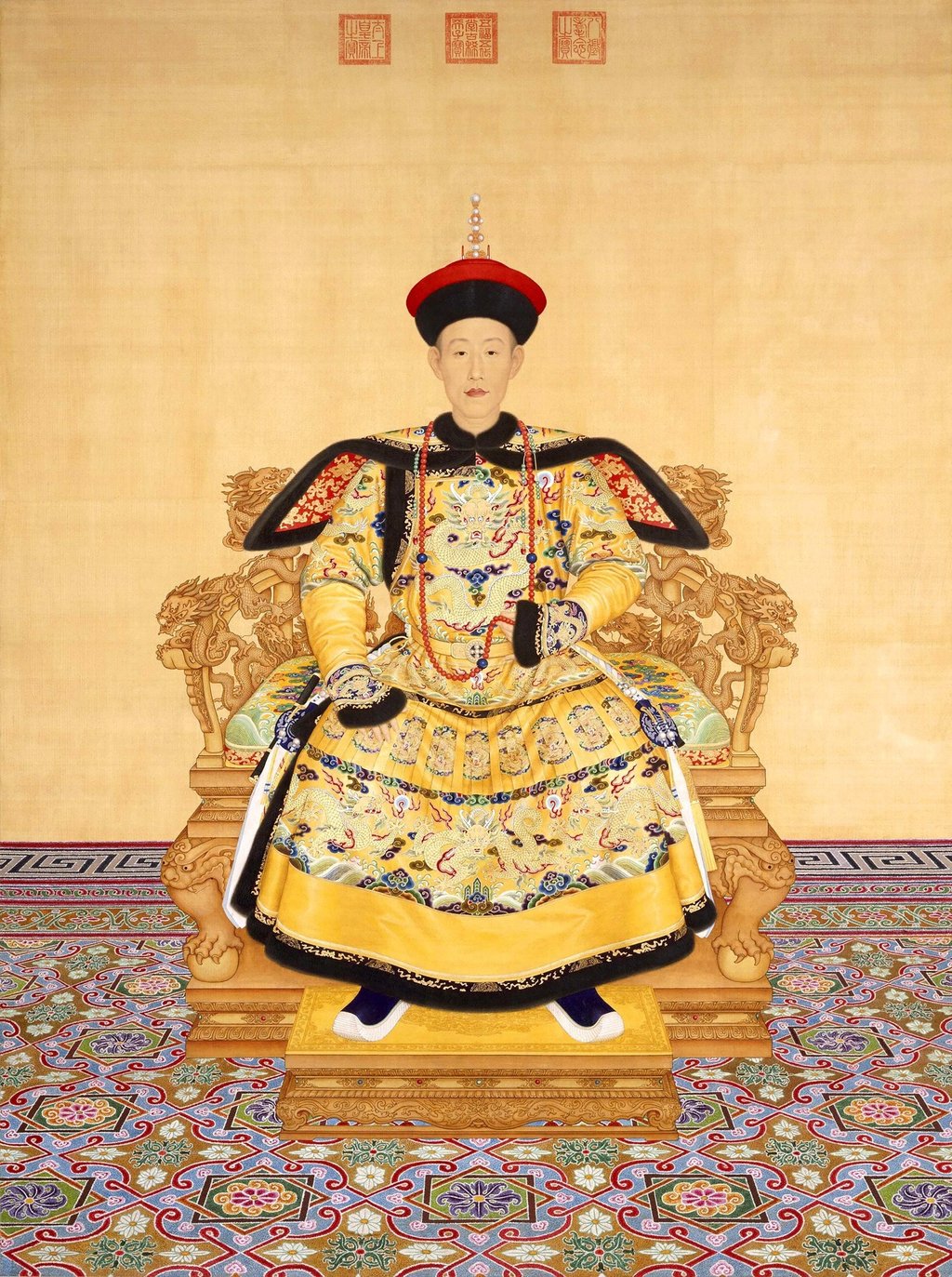
Carved in history: how dragon motifs tell the tale of the rise and fall of Chinese empires
Modern research reveals how imperial dragon artwork directly mirrored a regime’s strength and prosperity

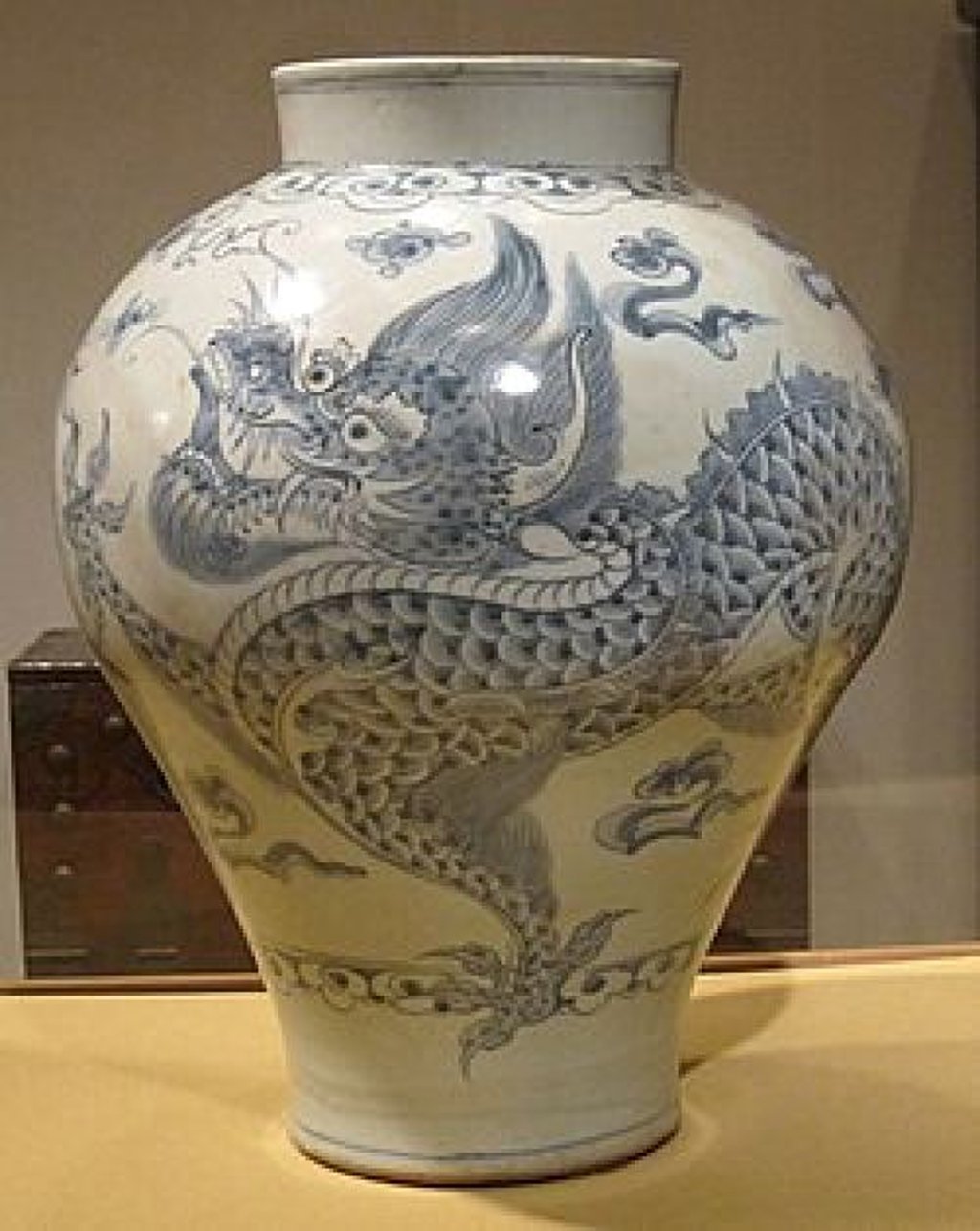
The dragon’s serpentine forms have adorned Chinese pottery for millennia, and this mythical creature has come to symbolise power, strength, and good fortune.
Dragon motifs on pottery date back nearly as far as Chinese written history itself, with the earliest example discovered on a vessel from the Yangshao culture (5000 BC–3000 BC). The association between dragons and ceramics persisted for centuries, with the mystical creature now closely linked to Chinese porcelain.
Early depictions of dragons across various types of artwork appeared as snake-like beings before gradually evolving into a more beast-like form. By the Tang dynasty (618–907), dragons in artwork had come to resemble contemporary portrayals.
As dragons gained cultural prestige, their auspicious qualities made them emblems of imperial authority – most notably, the five-clawed dragon became the exclusive symbol of the emperor. The first emperor of China, Qin Shi Huang, even referred to himself as “the Emperor of the Dragon Throne.”
The “five-clawed” rule often enforced severe consequences, as illustrated by an incident in which an artist was executed, along with his entire family, for painting a dragon with five claws, according to Sotheby’s.
So intricately were dragons intertwined with imperial power that modern researchers have begun to examine whether the characteristics of dragon artwork can reveal the strength and prosperity of a given regime.
A 2022 study published in the Journal of Education Humanities and Social Sciences compared dragon artwork produced during the reigns of two Qing dynasty (1644–1912) emperors: one who presided over a period of relative prosperity, and another who ruled as the dynasty began to decline.