70% of Chinese people take naps daily, continuing an ancient medical tradition
2,000-year-old Chinese text believes that power breaks during the night and day can strengthen the heart’s connection to yang energy

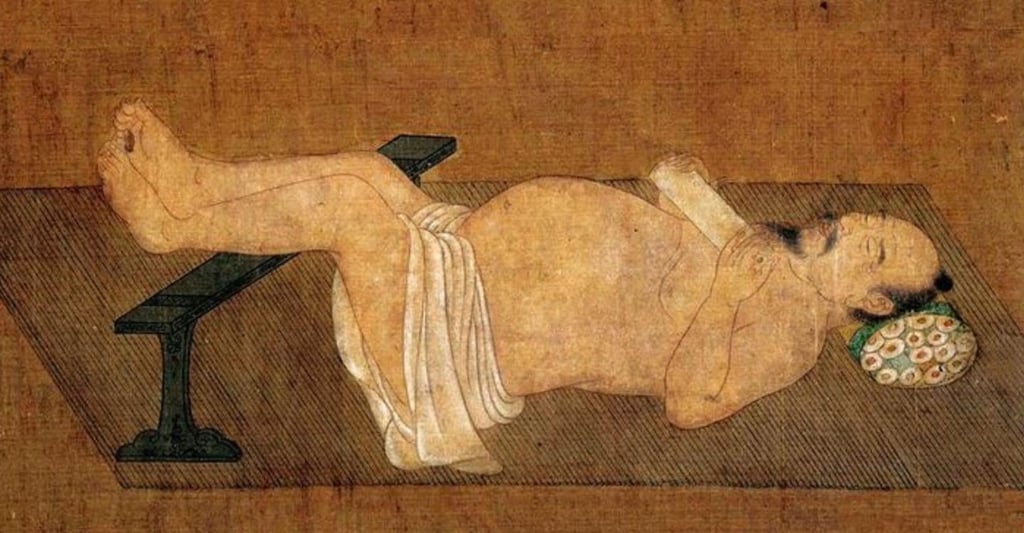
China is a country that boasts daily naps despite its stressful work rhythm. In fact, such breaks are a traditional practice dating back thousands of years.
According to a survey by the China Sleep Research Society published in March, 72 per cent of Chinese people like an afternoon nap lasting at least 30 minutes.
The benefits of afternoon naps have been documented in China’s earliest medicine text Huangdi Neijing, or the Inner Canon of the Yellow Emperor, which is said to have been completed about 2,000 years ago.
The text suggests a solid sleep during the Zi hour, which is 11pm to 1am today, and a short nap during the Wu hour, which equates to 11am to 1pm.
Traditional Chinese medicine (TCM) theories believe that the Wu hour is the time of the day when the energy of yang, which stands for the sun and warmth, is at its peak.