Lindsey Graham’s death removes one of Washington’s most influential China hawks
Graham’s sister will fill his Senate seat, but his role as one of Trump’s closest foreign policy advisers may prove harder to replace

The death of US Senator Lindsey Graham has removed one of Washington’s most influential advocates of a hardline approach towards China at a moment when Republicans are debating how aggressively the United States should confront Beijing and project military power overseas.
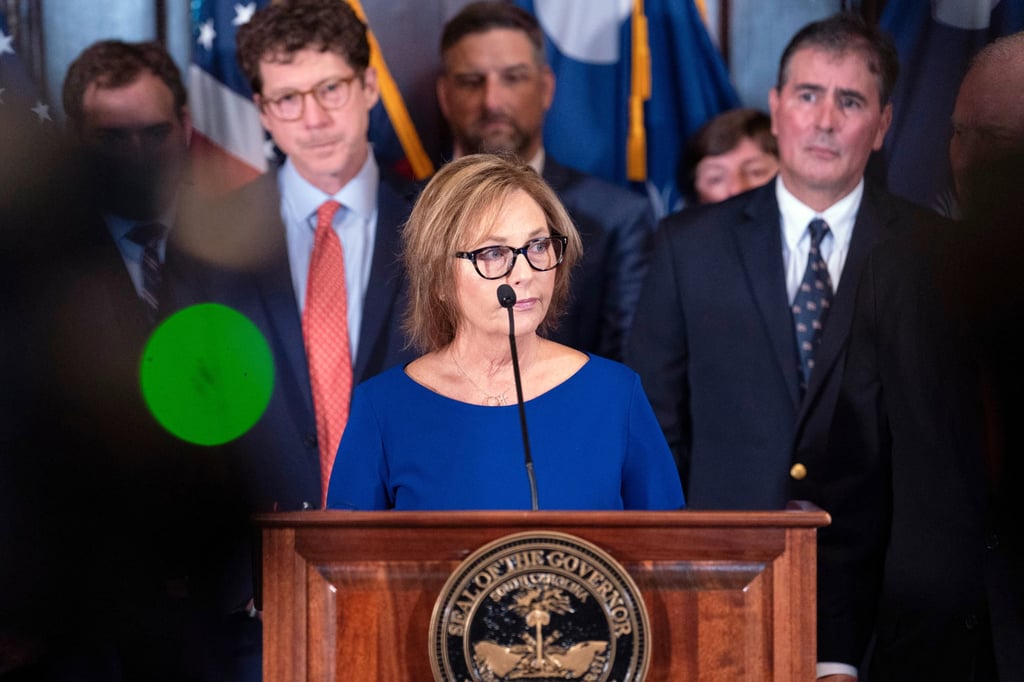
On Monday, South Carolina Governor Henry McMaster appointed Graham’s sister, Darline Graham Nordone, to fill the vacant Senate seat. McMaster said he spoke with Nordone by phone on Sunday and she agreed to serve.
Attention is now turning to whether Nordone, or anyone else, will inherit the late lawmaker’s unusually prominent role as both a congressional China hawk and a close foreign policy adviser to US President Donald Trump.
“I promise to work hard over the next several months, to support the president, and carry forward the efforts of my brother,” Nordone said. “I know Lindsey thought the world of his staff and colleagues, and with their support, I feel confident.”
While Graham was best known internationally for his outspoken support for Ukraine and Israel, China had increasingly become one of his defining foreign policy concerns in recent years. He repeatedly argued that Beijing posed one of the greatest long-term strategic challenges facing the United States and called for Washington to adopt a more confrontational posture.