BreakingUS slaps fresh tariffs on China, 50-plus countries in latest wave
‘Forced labour’ duties replace Trump administration’s original sweeping levies but are unlikely to generate the same level of global shock

“Today’s action will begin to correct what is both a human rights abuse and distortive trade practice to improve the welfare of workers everywhere,” US Trade Representative Jamieson Greer said in a statement.
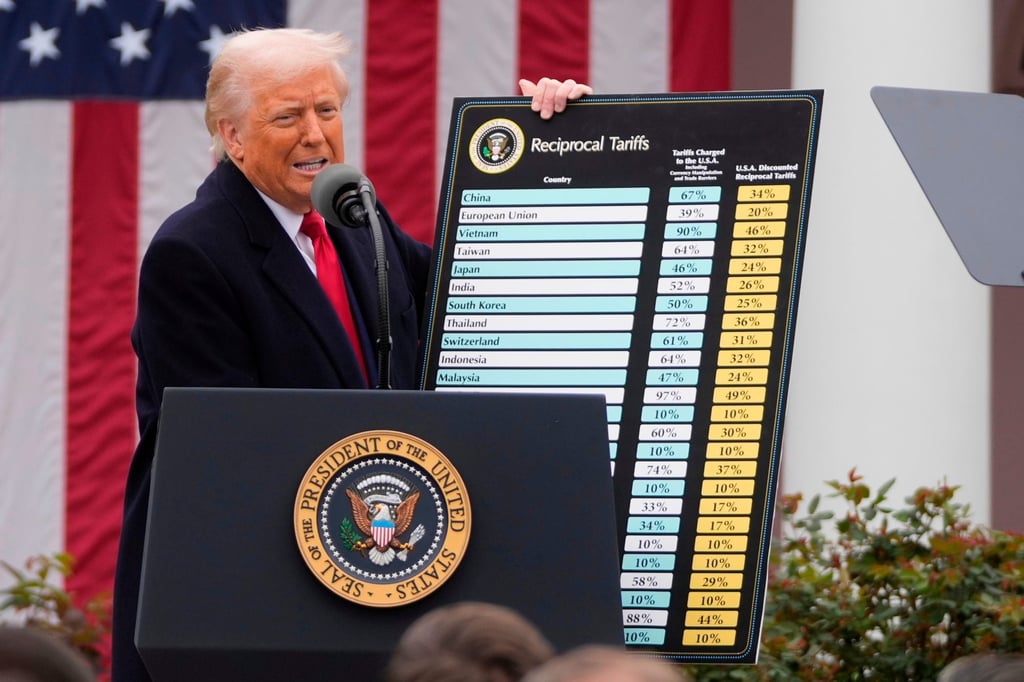
China faces a 12.5 per cent tariff rate, while Japan, South Korea, Switzerland and the European Union are subject to tariffs ranging from 10 per cent to 12.5 per cent. Countries like Canada, Mexico, India, Indonesia and the United Kingdom face 10 per cent tariffs on top of their other US import levies.
Experts say the forced labour allegations are a pretext for imposing tariffs as part of US President Donald Trump’s broader America-first trade agenda.
Another Section 301 investigation under the 1974 Trade Act is ongoing, focused on excess industrial capacity in 16 economies, including mainland China, Taiwan, India, Japan, South Korea, Mexico, the European Union and several Southeast Asian countries.