-
Advertisement
WorldAfrica

An oil boom made Angola’s capital the most expensive city in the world, but now it’s in crisis

Reading Time:4 minutes
Why you can trust SCMP
A mother braids her daughter's hair in a poor neighbourhood overlooking Cabinda, a heavily guarded territory that accounts for half the oil output from Africa's top petroleum producer. Photo: The Washington Post
The Washington Post

As the price of oil rose earlier this decade, Luanda did as well. Glass skyscrapers soared above the rubble of Angola’s 27-year civil war. American pop stars like Mariah Carey were flown in to play private concerts. Luanda would become, its government announced, “a new Dubai”.

But as oil prices have crashed, the impact on one of Africa’s richest and most unequal countries has been devastating. The same officials who boasted of Luanda’s sparkling ascent are asking for billions of dollars in loans. Thousands of people are dying of preventable illnesses, and the nation’s hospitals are out of medicine. A bag of rice can now cost five times what it did a year ago.
On a continent where natural resources have driven generations of boom and bust, Angola has a remarkable and frightening distinction. It is more dependent on commodity exports than just about any other nation in sub-Saharan Africa. It is now paying for that reliance in tragic ways.
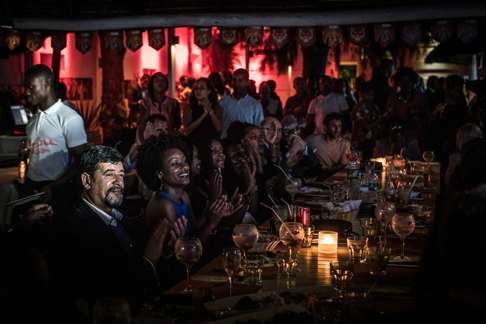
Musicians play for a packed crowd at the Miami Beach Club, owned by the billionaire daughter of the president of Angola and wealthiest woman in Africa, Isabel dos Santos. Photo: The Washington Post

This isn’t the only country suffering since the price of oil fell from more than US$100 per barrel in 2014 to less than US$30 last year and reaching roughly US$40 recently. Venezuela is also struggling with shortages of food. Nigeria has been rocked by its biggest economic crisis in decades. But Angola’s descent has been largely hidden from the world, since visas are rarely granted to journalists.

Advertisement

About 45 per cent of Angola’s GDP comes from the oil and gas sector, compared with 25 percent in Venezuela and 35 per cent in Nigeria, according to the Organization of the Petroleum Exporting Countries.
Advertisement
At Luanda’s Cajueiros Hospital, the oil crisis has morphed into a health emergency. The hospital, like most in Angola, has run out of needles, surgical gloves and almost all medication. The only way patients get treatment is if they or their relatives buy those items on the black market. Most Angolans can’t afford them. In recent weeks, there were no HIV tests or tuberculosis vaccines available anywhere, according to Angolan and international health workers.
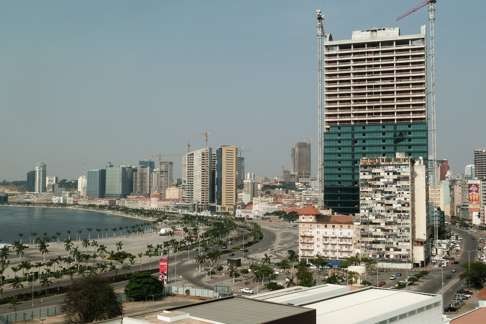
A general view of Luanda's downtown. Much office space is unoccupied amid the sharp fall in oil prices. Photo: AFP

After the government slashed its budget by 53 perc ent last year, the country did not purchase a single dose of malaria medication. In the first three months of 2016, Angola had roughly 1.3 million cases of the disease. At least 3,000 people have died, according to the World Health Organisation.

Advertisement
Select Voice
Select Speed
1.00x