Seeds of revolution: these ‘super beans’ are transforming lives in hunger-prone parts of Africa
The new high-yield beans, created via conventional selective breeding, are being distributed among farmers and refugees

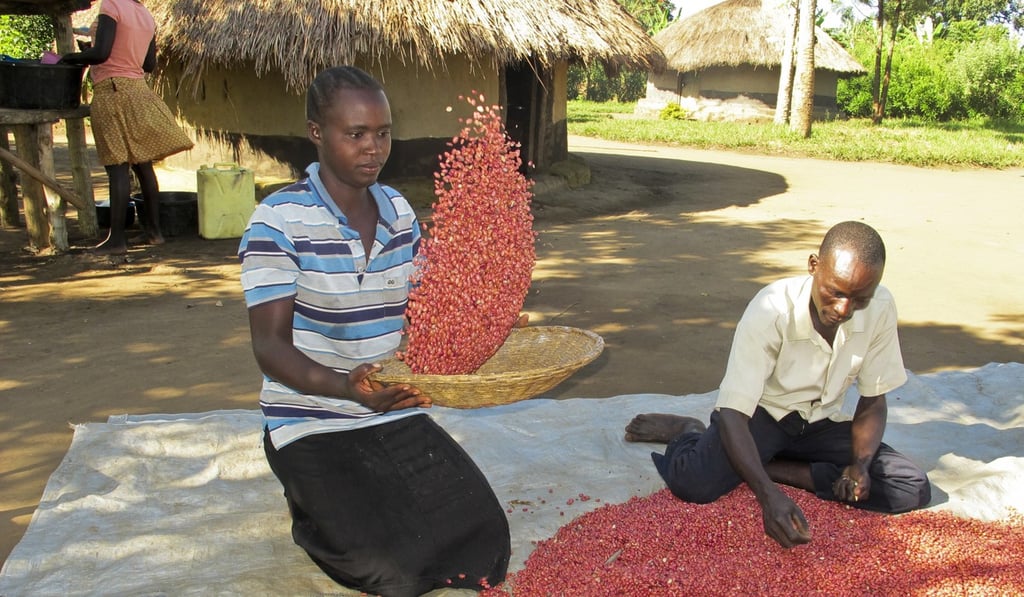
Richard Opio dipped a dirt-stained hand into the pinkish beans, marvelling at the dramatic changes they’ve made for his family. They used to harvest two sacks of normal beans; now they harvest six.
The so-called “super bean,” a fast-maturing, high-yield variety, is being promoted by Uganda’s government and agriculture experts amid efforts to feed hunger-prone parts of Africa. It’s also a step toward the next goal: the “super, super bean” that researchers hope can be created. The beans are produced by conventional genetic selection, not the contentious genetic modification technologies.
The beans that Opio now tends are thrilling farmers in this impoverished part of northern Uganda that also strains under the recent arrival of more than 1 million refugees from its war-torn neighbour, South Sudan.
The International Centre for Tropical Agriculture says the beans have been bred by conventional means to resist the drought conditions that can lead to starvation as arable land disappears.
One “gene bank” is on the outskirts of Uganda’s capital, Kampala, where the beans that Opio now farms were bred. The other is in Malawi in southern Africa. Beans kept at the two banks are sent to partners in 30 countries across the continent to be developed further so they can cope with local conditions.
The Uganda bank stores around 4,000 types of beans, including some sourced from neighbouring Rwanda before its 1994 genocide killed around 800,000 people and wiped out many of the country’s bean varieties.