Kofi Annan’s legacy is complicated by the Rwandan genocide
While Annan was chief of UN peacekeeping, 800,000 Rwandans were slaughtered in a 100-day genocide

In a 2004 interview with PBS’s “Frontline,” Kofi Annan called the Rwandan genocide “a very painful and traumatic experience,” both for himself and the United Nations.
“It’s not something that you forget,” said Annan, then-UN secretary general. “It’s an experience that, if you go through, becomes part of you, and part of your whole experience as a human being.”
In 1994, at least 800,000 Rwandans were slaughtered in a 100-day genocide, when Hutu soldiers and militias slaughtered members of the Tutsi ethnic group. At that time, Annan was chief of UN peacekeeping.
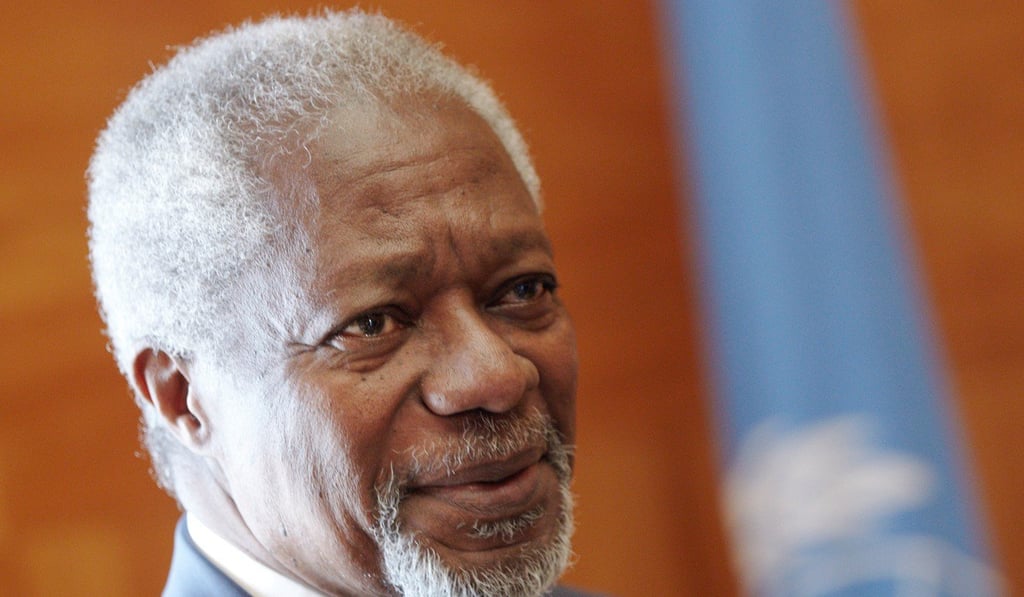
Annan left behind a complicated legacy when he died Saturday at age 80. A Ghanaian national, he would go on to become the first UN secretary general from Sub-Saharan Africa.
The Nobel Peace Prize laureate managed to in some ways to make progress in Africa in his time leading the UN and after, but many saw his failure to intervene in Rwanda beforehand as inextricably intertwined with his later accomplishments.