Advertisement
How China’s belt and road plan is making South Africans study Mandarin
- In a bid to continue to strengthen ties with China many South Africans are being taught the subtleties of Chinese language and etiquette
3-MIN READ3-MIN

Chris Erasmusin Cape Town, South Africa
South African businesses are increasingly having their executives learn Mandarin and take cultural sensitivity classes so they can work more effectively with their Chinese partners.
The same trend is found in colleges, where students are looking to China to further their education.
These developments are among the latest in the continually strengthening ties between Africa’s most developed economy and China, building on connections linked to the Belt and Road Initiative, which stretches into East Africa through Kenya.
Advertisement
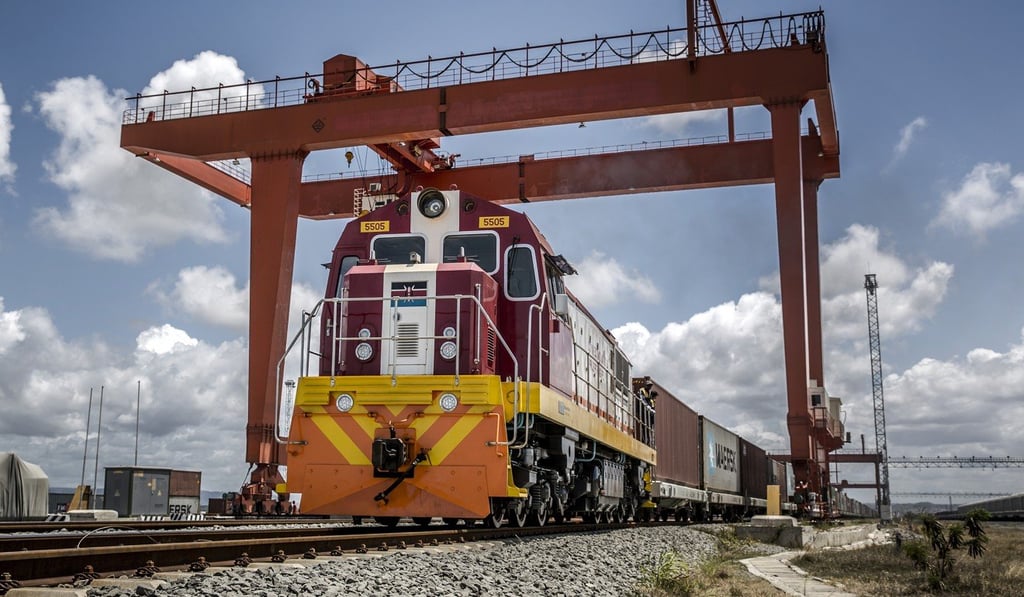
The growing strength of links between Beijing and Pretoria means, in effect, that the belt and road extends south, making South Africa a business partner and destination for investment, tourists and cultural exchanges.
Advertisement
South Africa also acts as an effective jumping off point into other sub-Saharan countries for China, which is Africa’s largest trading partner.
Advertisement
Select Voice
Select Speed
1.00x