One year after Emmerson Mnangagwa’s election, many Zimbabweans regret supporting him
- Zimbabwe has endured severe power rationing and shortages of fuel, bread, medicine and other basics
- Power is usually turned on between 10pm and 5am – at other times, businesses do not know whether they will have electricity
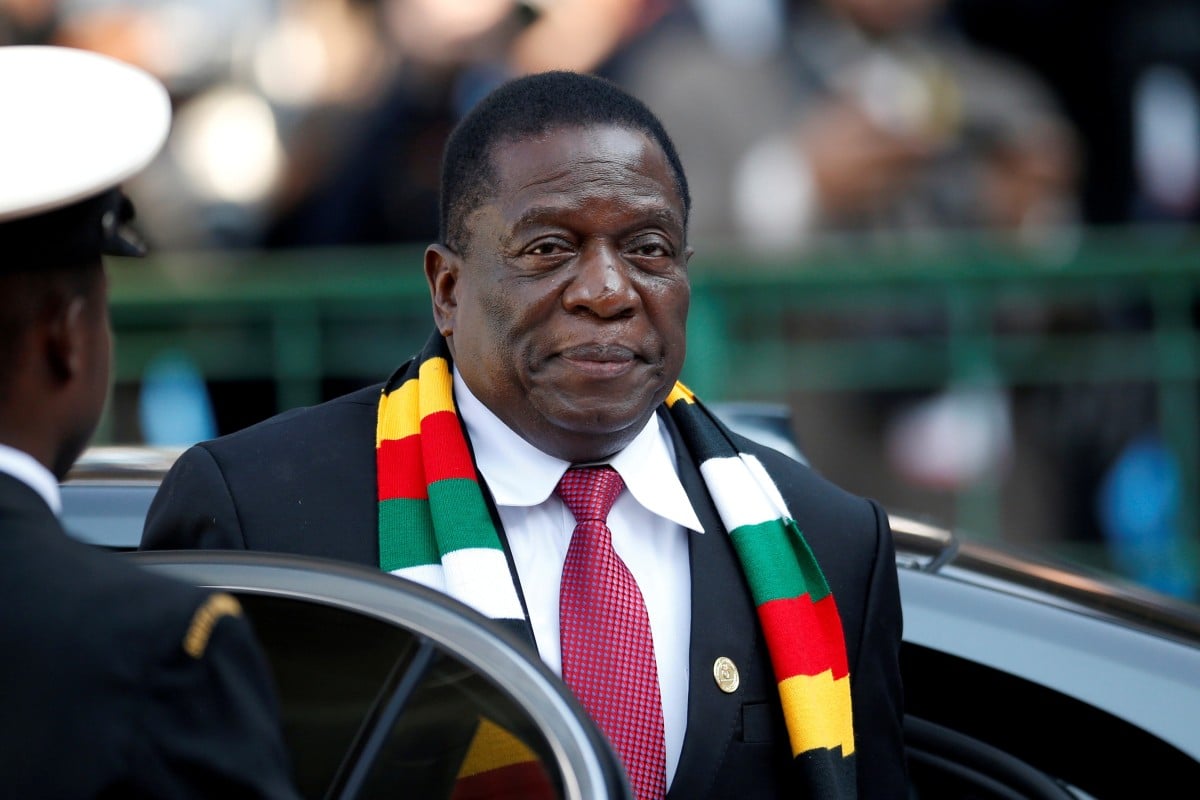
Langton Chiwocha chose Emmerson Mnangagwa among 23 candidates in Zimbabwe’s presidential elections a year ago. Today he says he deeply regrets his choice.
“We had high expectations as many promises were made, but things have turned worse since the elections,” Chiwocha said. “I wish I could take back my vote, or maybe I shouldn’t have bothered to vote at all.”
Mnangagwa, 76, who took over from long-time autocrat Robert Mugabe, went into the July 30, 2018 elections vowing to revive Zimbabwe’s sickly economy, end cash shortages, mend fences with former western allies and lure foreign investors.
Chiwocha, who holds a business studies diploma from a college in the capital Harare, says his hopes have been cruelly dashed.
“I graduated in 2012 and I have not had a job. I thought after winning the elections, Mnangagwa would fix the economy and all who had qualifications would get jobs.”
But within months of Mnangagwa’s election, the ghosts of Zimbabwe’s economic past returned: severe power rationing and shortages of fuel, bread, medicine and other basics.
In June this year, the annual inflation rate hit a decade-high 175 per cent. Memories revived of the terrifying hyperinflation that reached 500 billion per cent in 2009, wiping out savings and wrecking the economy.
That episode ended when the US dollar became the national currency, replacing the Zimbabwean dollar, which had been proudly introduced upon independence in 1980.