3.8-million-year-old skull found in Ethiopia offers new clues on how humans evolved
- The skull was discovered not far from the younger Lucy – the ancient ancestor of modern humans – and shows that the two species may have coexisted

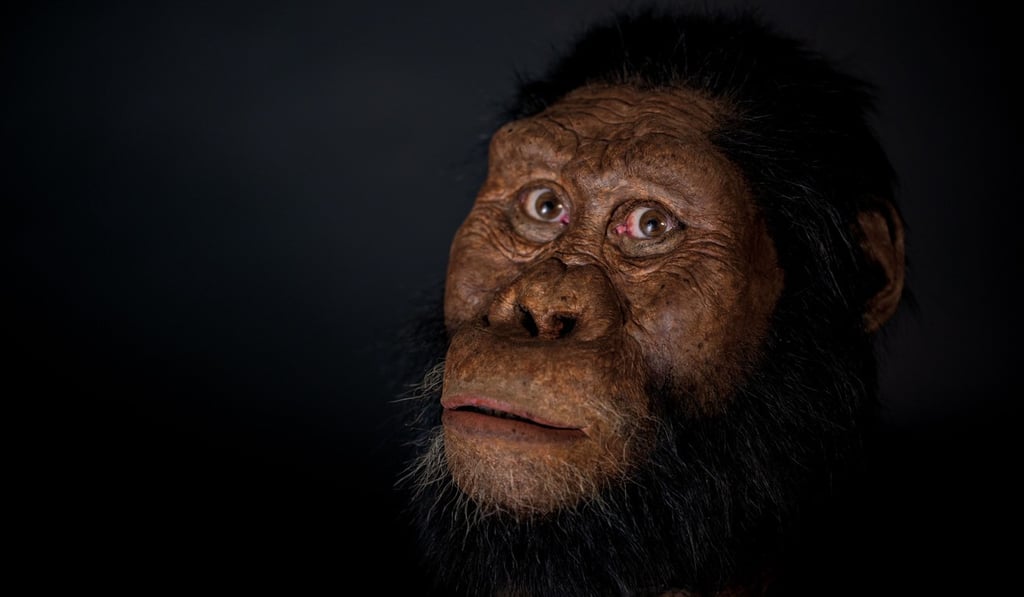
A “remarkably complete” 3.8-million-year-old skull of an early human has been unearthed in Ethiopia, scientists announced Wednesday, a discovery that has the potential to alter our understanding of human evolution.
The skull, known as “MRD”, was discovered not far from the younger Lucy – the ancient ancestor of modern humans – and shows that the two species may have coexisted for about 100,000 years.
“This skull is one of the most complete fossils of hominids more than 3 million years old,” said Yohannes Haile-Selassie, the renowned Ethiopian palaeoanthropologist of the Cleveland Museum of Natural History who is a co-author of two studies published Wednesday in the journal Nature.
It “looks set to become another celebrated icon of human evolution,” joining the ranks of other high-profile hominid findings, Fred Spoor of the Natural History Museum of London wrote in a commentary accompanying the studies.
“Toumai” (of the species Sahelanthropus tchadensis) is around 7 million years old and is considered by some paleontologists to be the first representative of the human lineage. It was discovered in Chad in 2001.