Coronavirus: in Zimbabwe, people risk Covid-19 death just to fetch water
- Spread of coronavirus will be harder to control without running water, essential for hygiene
- Zimbabwe’s public health system faces total collapse if most of population becomes infected
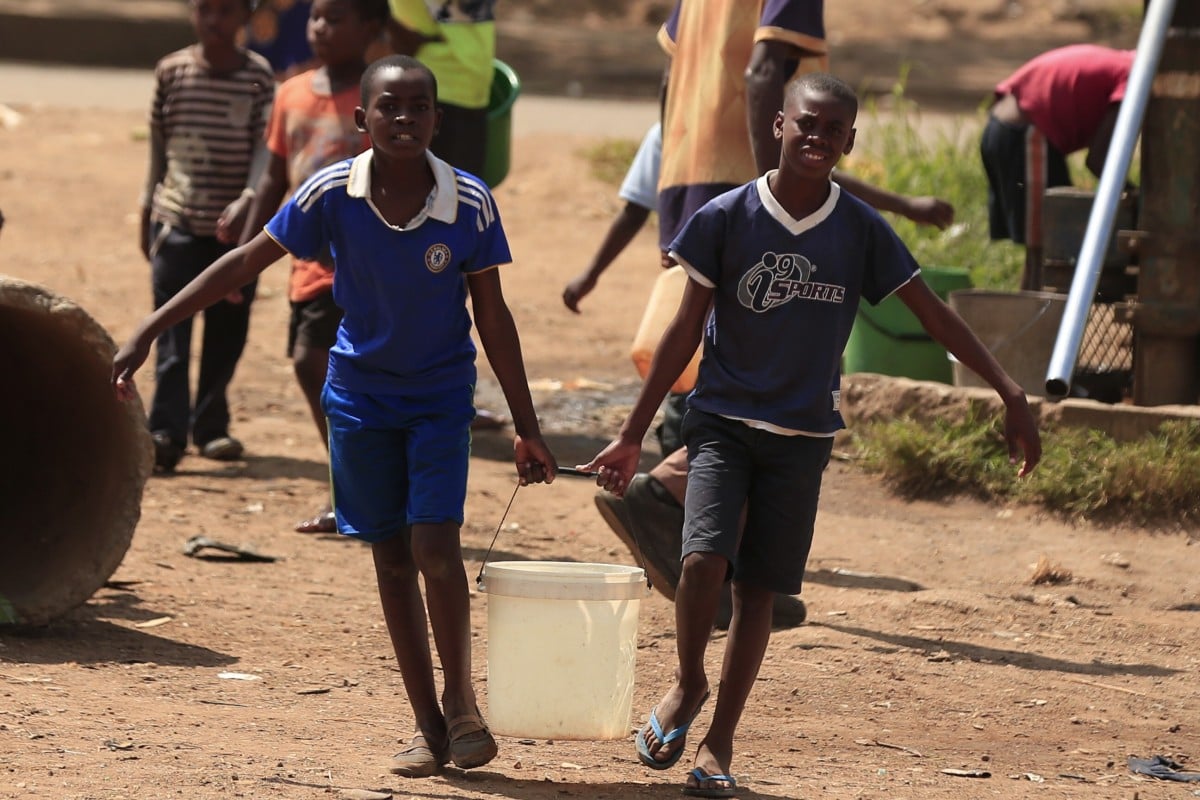
Dry taps are forcing residents in cities across Zimbabwe to spend time outside collecting water at community bore holes, instead of staying indoors for a 21-day coronavirus national lockdown.
Even as the country enters possibly the last days of isolation, bore holes have emerged as possible vectors for the spread of deadly Covid-19 disease, as urbanites, mostly women and children, are forced to disregard social distancing rules to fill buckets to take home.
The southern African country of 14.5 million people has so far recorded 23 cases and three deaths since global outbreak began, but the actual number could be much higher. Zimbabwe has only one public Covid-19 test centre, at a government hospital in the capital Harare, where over 600 tests have been carried out.
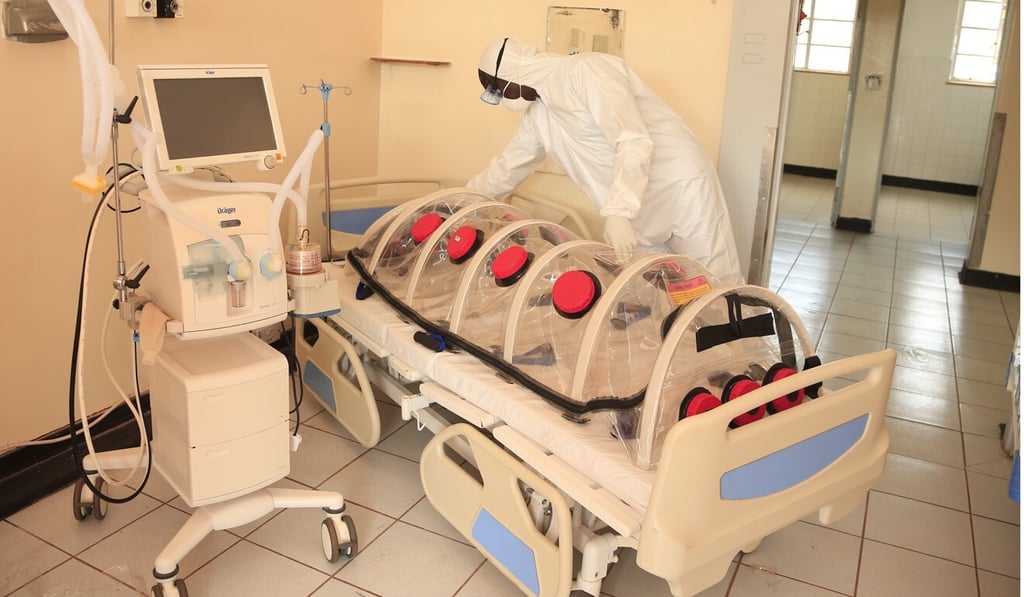
Zimbabwe’s public health care system, already under the strain of a crippled economy, faces shortages of basic drugs and lacks essential equipment and even running water. Health experts say Covid-19 will be harder to control in places without running water, and many people could die.
That’s a horrible scenario for people like Marian Chiroodza, who lives in Chitungwiza, a densely populated satellite town 30km southeast of Harare.