Drought, coronavirus, hunger: Zimbabwe’s misery deepens
- Lockdown fuels food shortages in Zimbabwe, one of the world’s poorest countries
- Volunteers help feed people as government struggles to help millions with handouts
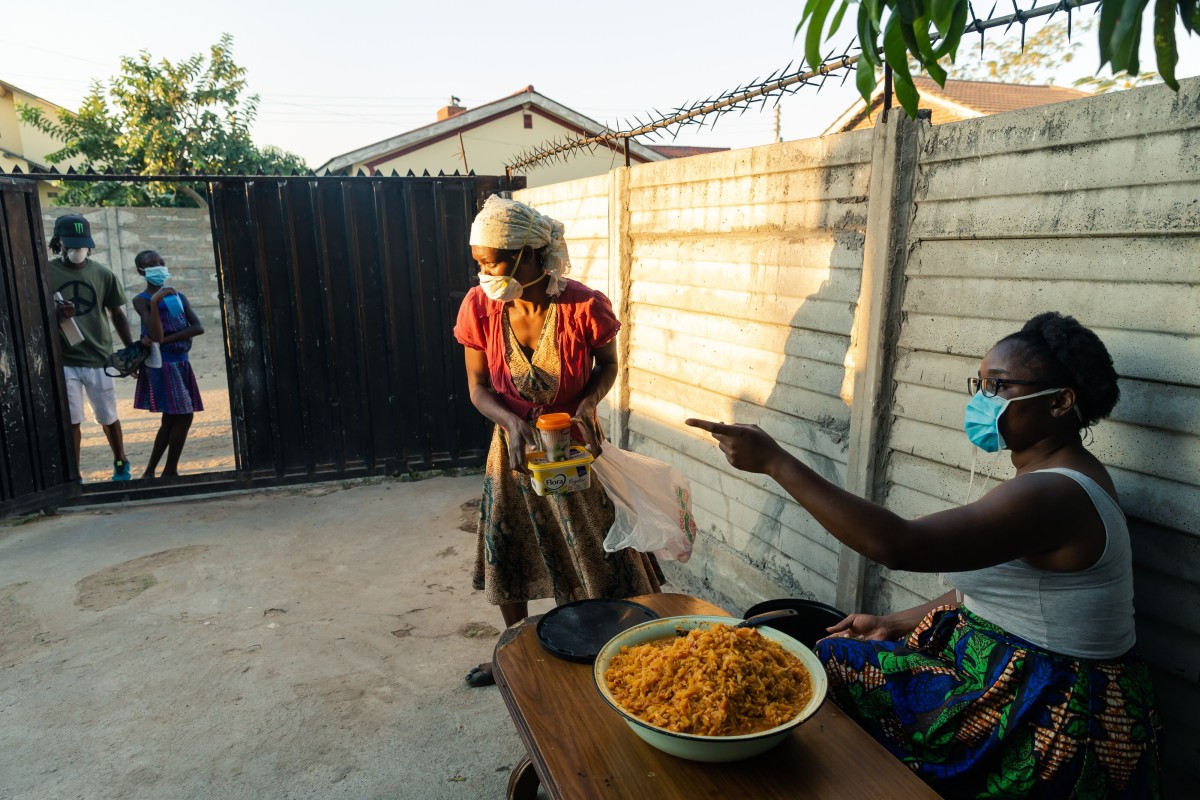
Unemployment before the outbreak was already rampant in Zimbabwe, one of Africa’s poorest countries. Almost 80 per cent of its 14.5 million people work in the informal sector, like street vendors and food stalls – trade that has virtually stopped in the lockdown. Many people are struggling to put food on the table and government help has not yet reached them.
Zimbabwe is still grappling with the effects of a devastating drought last year when it was also listed 109 out of 117 countries on the 2019 Global Hunger Index, a ranking considered “serious”.
The United Nations has warned that the coronavirus pandemic could push millions in Africa into extreme poverty and lead to famines of “biblical proportions” within months if immediate action wasn’t taken.
The situation has forced people in Zimbabwe to seek food wherever they can, even scraps from rubbish.
Samantha Murozoki, a lawyer from Chitungwiza, a satellite town of Zimbabwe’s capital Harare, took pity on her hungry neighbours and started serving porridge to hundreds of children and adults, paid for out of her own pocket.
“I started feeding 24 people using my own groceries, but the number kept on rising daily beyond my resources. I sold a few belongings and now, well-wishers are assisting us. Most of the beneficiaries are informal traders or their children, cross-border traders, and children of parents in the diaspora,” she told South China Morning Post.