Sudan prime minister’s resignation risks return to Omar al-Bashir-style rule, analysts say
- Abdalla Hamdok stepped down late on Sunday after months of street protests and bloodshed, leaving the military in full command
- Bashir, who is wanted for war crimes in the Darfur region by the International Criminal Court, was jailed in 2019 as Sudan took steps to rejoin the international community

The resignation of Sudan’s prime minister leaves the military in full command and threatens a return to the repressive policies of the regime of ousted strongman Omar al-Bashir, analysts say.
After months of street protests and violent crackdowns that have claimed at least 57 lives, observers fear more bloodshed ahead after civilian premier Abdalla Hamdok stepped down late on Sunday.
In his farewell address on national television, Hamdok said he had tried to prevent Sudan “from sliding toward disaster” but that it was now at a “dangerous crossroads threatening its very survival”.
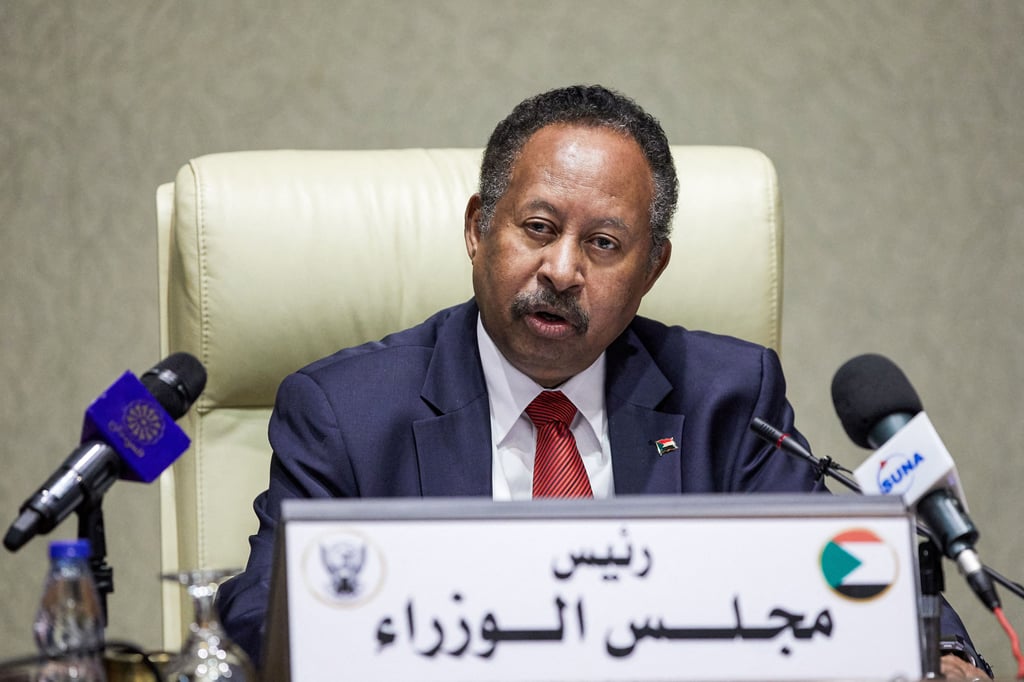
“Hamdok’s resignation has left the military in sole command of the country,” said Magdi al-Gizouli of think-tank the Rift Valley Institute. “Protesters will take to the streets again and will be left to face more violence.”
Since its independence from Britain and Egypt in 1956, Sudan, now one of the world’s poorest countries, has been mostly under military rule with only rare democratic interludes.
It has been navigating a fragile transition toward full civilian rule since the April 2019 removal of veteran president Bashir following an unprecedented wave of youth-led protests.
Bashir, who is wanted for war crimes in the Darfur region by the International Criminal Court, was jailed as Sudan took steps to rejoin the international community and obtain debt relief, foreign aid and investment.