‘I cannot mourn’: former British colonies conflicted over the queen
- Elizabeth’s reign saw the hard-won independence of African countries and Caribbean islands, but cloud of colonialism hangs over her legacy
- Some called for apologies for past abuses like slavery, while others expressed some sympathy for Elizabeth and the circumstances she was thrust into

Beyond official condolences praising the queen’s longevity and service, there is some bitterness about the past in Africa, Asia, the Caribbean and elsewhere. Talk has turned to the legacies of colonialism, from slavery to corporal punishment in African schools to looted artefacts held in British institutions. For many, the queen came to represent all of that during her seven decades on the throne.
“Movement permit,” the document says. While more than 100,000 Kenyans were rounded up in camps under grim conditions, others, like Mugo’s grandmother, were forced to request British permission to go from place to place.
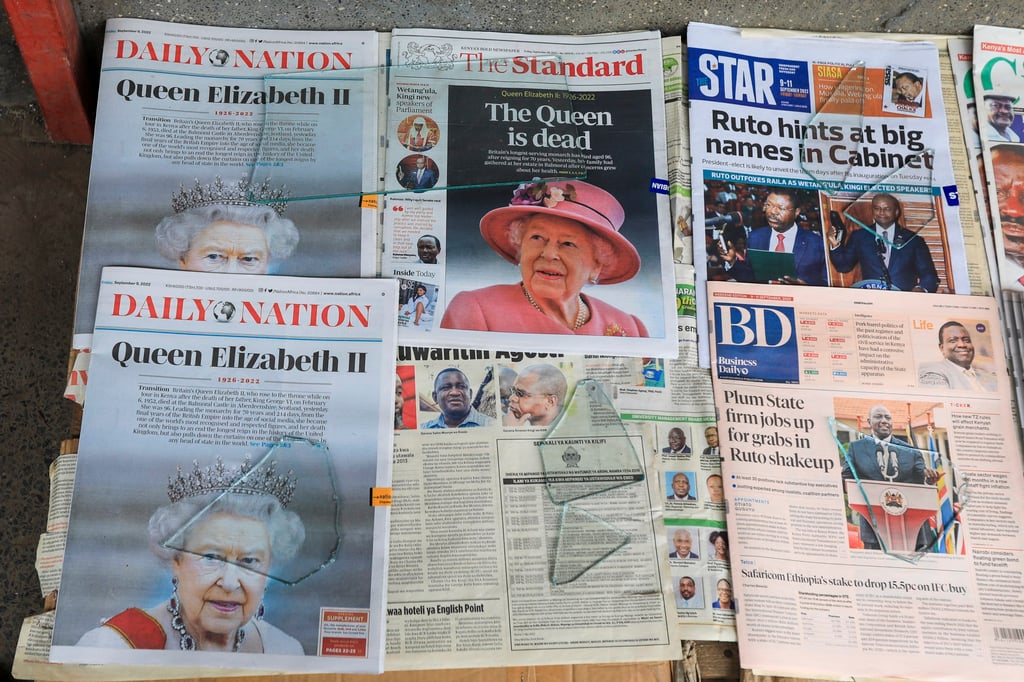
But Kenya’s outgoing president, Uhuru Kenyatta, whose father, Jomo Kenyatta, was imprisoned during the queen’s rule before becoming the country’s first president in 1964, overlooked past troubles, as did other African heads of state.
“The most iconic figure of the 20th and 21st centuries,” Uhuru Kenyatta called her.