Small-brained ancient human cousins may have buried their dead
- A surprising study shows Homo naledi may have been capable of complex behaviour that has so far only been seen in species with bigger brains
- Researchers also found evidence of carvings on cave walls, challenging the idea that only species like Homo sapiens can create art

An ancient human cousin may have buried its dead and carved symbols into cave walls, surprising findings for a creature with a small brain.
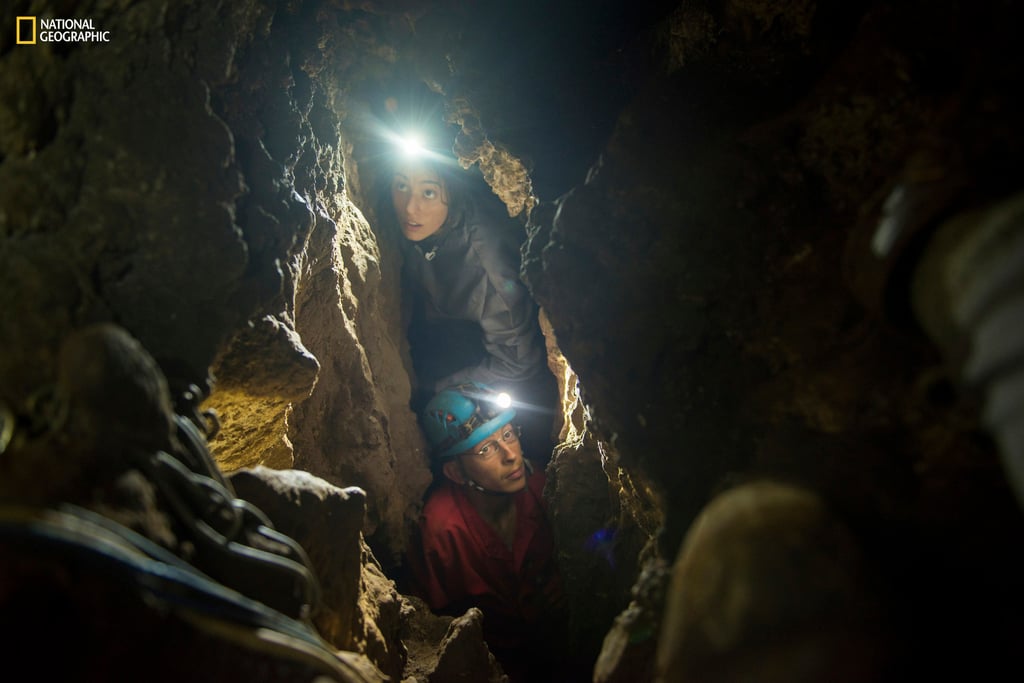
Fossil remains of the species – named Homo naledi – were uncovered in underground caves in South Africa a decade ago. Now, researchers say they have found evidence that the species was capable of complex behaviour that so far has only been seen in those with bigger brains.
“We are facing a remarkable discovery here” for a species with brains one-third the size of humans, said anthropologist Lee Berger, who led the research funded by the National Geographic Society, where he now works.
Berger and colleagues describe their findings in studies posted online on Monday. The research has not been peer-reviewed yet and some outside scientists think more evidence is needed to challenge what we know about how humans evolved their complex thinking.
“There’s still a lot to uncover,” said Rick Potts, director of the Smithsonian’s Human Origins Programme who was not involved in the research.