Residents of Puerto Rico’s renowned Monkey Island are hurricane victims too
The important research facility, populated by more than 1,000 monkeys, was hard hit by Hurricane Maria

As thousands of troops and government workers struggle to restore normal life to Puerto Rico, a small group of scientists is racing to save more than 1,000 monkeys whose brains may contain clues to some of the most important mysteries of the human mind.
One of the first places Hurricane Maria hit in the US territory on September 20 was Cayo Santiago, known as Monkey Island, a 16 hectare outcropping off the east coast that is one of the world’s most important sites for research into how primates think, socialise and evolve.
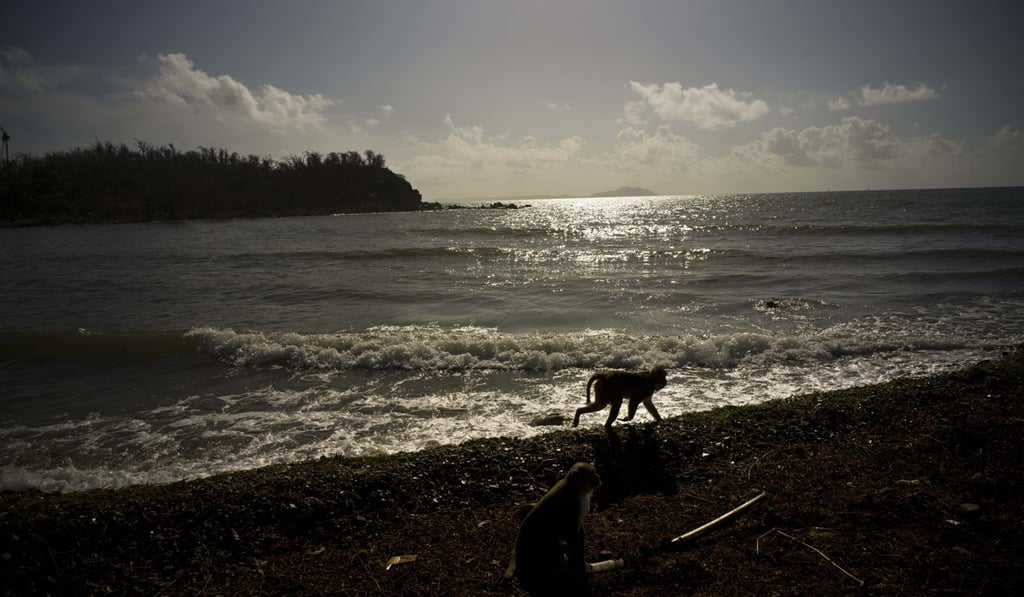
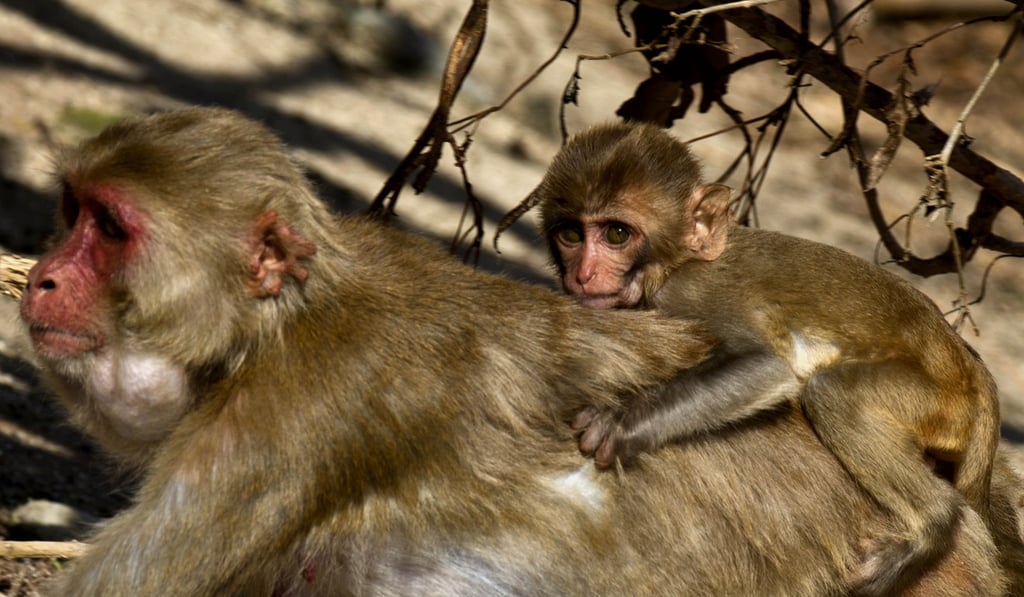
The island’s history as a research centre dates to 1938, when the man known as the father of American primate science brought a population of Indian rhesus macaques to the United States. Clarence Ray Carpenter wanted a place with the perfect mix of isolation and free range, where the monkeys could be studied living much as they do in nature without the difficulties of tracking them through the wild.
Since then the 400 or so macaques have reproduced and expanded their numbers, becoming the world’s most studied free-ranging primate population and something of a living library.