Brutal murders in Peru put spotlight on tourism boom linked to hallucinogenic brew
The murders of a traditional healer and her Canadian alleged killer come amid intense interest in the West about ayahuasca and its shamanistic uses

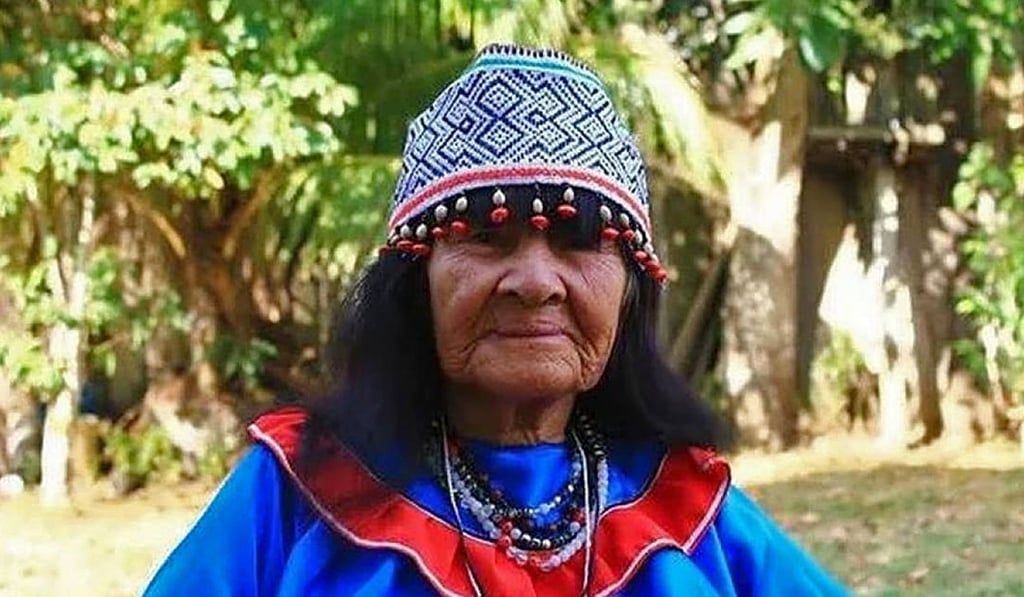
All traces of blood have been scratched from the dirt under the palm tree outside Olivia Arévalo’s clapboard home in a remote hamlet in the Peruvian Amazon. A week later, it is as if the villagers want to rub out all signs of the shocking outbreak of violence that erupted here.
Arévalo, a traditional healer, was shot twice under a midday sun on April 19. Witnesses say she collapsed to the ground, gasping: “They’ve killed me! They’ve killed me!” as her daughter Virginia ran to cradle her dying mother’s head.
We believe [ayahuasca] is an opportunity for our indigenous brothers because it generates an income, but after what happened it should be regulated
The horrific double murder has cast a harsh spotlight on the unregulated world of ayahuasca tourism. Ayahuasca, a plant brew that contains the hallucinogenic drug dimelthytryptamine (DMT), has attracted to Peru thousands of western tourists seeking to cure everything from spiritual anomie to drug addiction through traditional shamanic ceremonies.
The boom has brought a welcome income for some of Peru’s most marginalised communities, but it has also been implicated in a number of deaths – and provoked accusations of cultural appropriation and profiteering.
Arévalo, 81, was considered the spiritual mother of the Shipibo-Konibo, Peru’s second largest indigenous Amazon tribe, known for its rich artistic tradition based on a cosmovision inspired by the shamanistic use of ayahuasca.