Archaeologists discover geoglyphs near Nazca Lines in Peru, including giant drawing of killer whale
Drones were used to discover the 25 drawings, which date back more than 2,000 years

Archaeologists using drones have discovered more than 25 mysterious geoglyphs etched into a swathe of coastal desert in southern Peru near the Nazca Lines, a culture ministry official said Monday.
Most of the newly found geoglyphs, which include figures of a 70-metre-long killer whale and a woman dancing, appear to have been made by the Paracas culture more than 2,000 years ago, hundreds of years before the Nazca people created similar giant drawings nearby, said Johny Isla, an archaeologist who heads the culture ministry’s conservation efforts in the region.
An additional 25 geoglyphs that had previously been spotted by local residents have also been mapped with drones, Isla said.
Drones “have allowed us to broaden our documentation and discover new groups of figures,” Isla said on a tour of the geoglyphs in the province of Palpa.
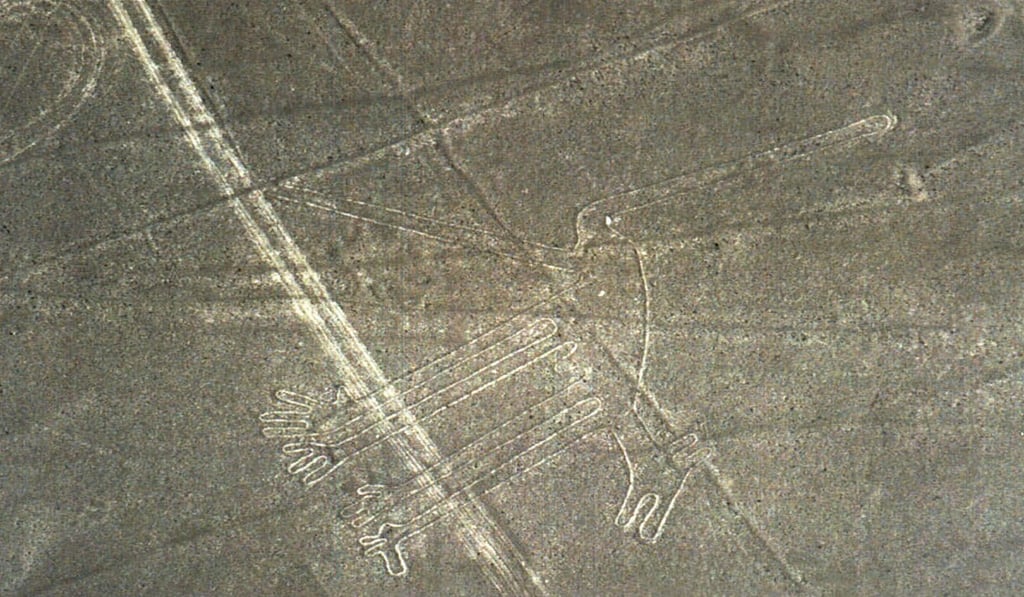
The geoglyphs created by the Nazca and Paracas cultures are striking reminders of Peru’s rich pre-Columbian history and are considered archaeological enigmas, as no one knows for sure why they were drawn, or so large and for so long.
“In total we’re talking about 1,200 years in which geoglyphs were produced” in the region, said Isla.