Easter Island statues: mystery behind their location is solved, say experts
- The sites appear to have been chosen for their proximity to fresh water – explaining why the statues appear inland as well as on the coast.

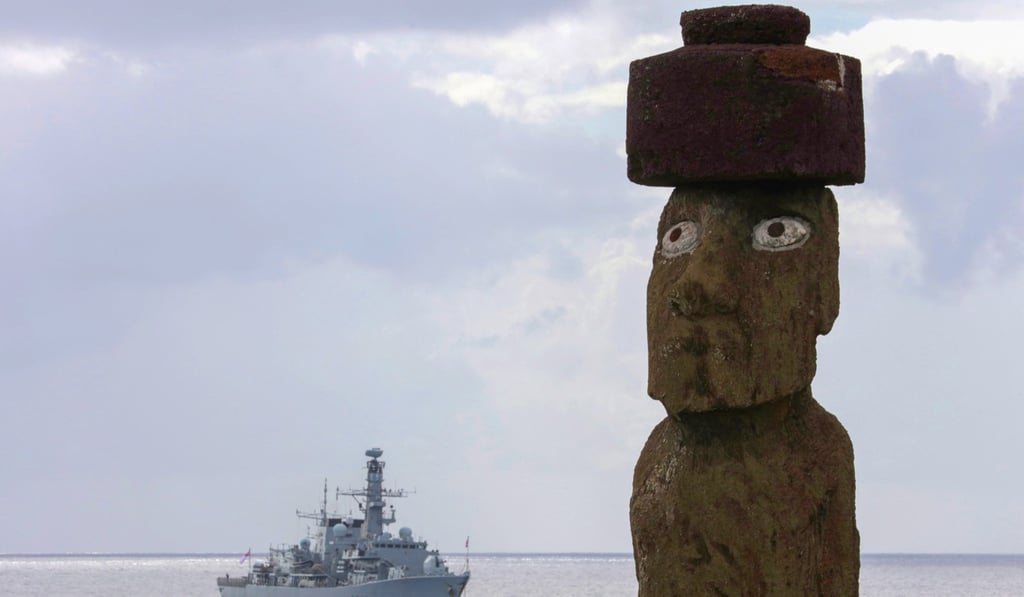
The huge stone figures of Easter Island have beguiled explorers, researchers and the wider world for centuries, but now experts say they have cracked one of the biggest mysteries: why the statues are where they are.
Experts from Binghamton University in New York say they have analysed the locations of the megalithic platforms, or ahu, on which many of the statues known as moai sit, as well as scrutinising sites of the island’s resources, and have discovered the structures are typically found close to sources of fresh water.
They say the finding backs up the idea that aspects of the construction of the platforms and statues, such as their size, could be tied to the abundance and quality of such supplies.
“What is important about it is that it shows the statue locations themselves are not a weird ritual place – [the ahu and moai] represent ritual in a sense of there is symbolic meaning to them, but they are integrated into the lives of the community,” said Prof Carl Lipo, co-author of the research.
Temple of ‘Flayed Lord’, whose human tributes were skinned, found in Mexico
Easter Island, or Rapa Nui, has more than 300 megalithic platforms, each of which might have been made by a separate community. The first of these are believed to have been constructed in the 13th century, and many are found around the coast.