Brazil’s Jair Bolsonaro speeds up coronavirus vaccine plan as his popularity takes a hit
- The government distributed 6 million doses of shots from China’s Sinovac and gave the green light for immunisations to begin two days earlier than expected
- Bolsonaro’s popularity dropped 6 percentage points to 32 per cent in January, one month after his programme of cash handouts to informal workers expired

Brazil accelerated plans to start vaccinating against the coronavirus after an early start by the state of Sao Paulo added pressure on President Jair Bolsonaro to move faster and stem an incipient loss of popularity.
The government distributed on Monday 6 million doses of a shot produced by China’s Sinovac Biotech in partnership with Sao Paulo’s Butantan Institute to all of its 27 states and gave the green light for immunisations to begin this afternoon, according to an official statement.
Less than 24 hours before, Health Minister Eduardo Pazuello had said the nationwide campaign would kick off on Wednesday.
Pressure on the Brazilian president and his health minister dramatically increased when Sao Paulo Governor Joao Doria organised a ceremony to administer the first dose of the so-called CoronaVac shot – just minutes after the country’s health regulator approved its emergency use on Sunday.
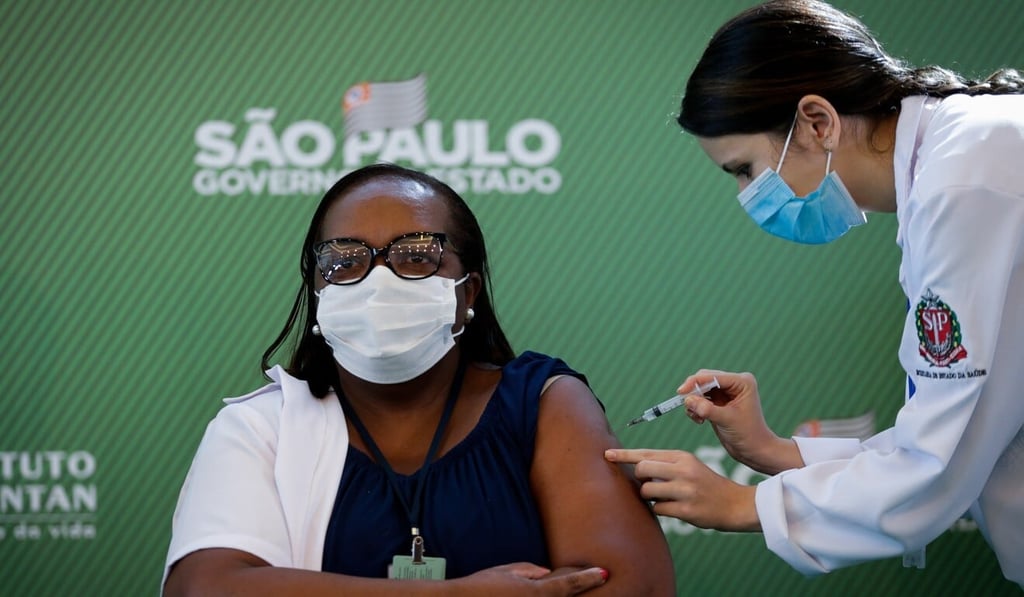
The picture of a nurse being inoculated was broadcast across Brazilian media and became a political win for Doria, one of Bolsonaro’s main political opponents.
“Bolsonaro is losing some backing of his supporters,” said Marcio Coimbra, a political scientist who heads the Interlegis think tank in Brasilia.