Rio de Janeiro is ready to party, with or without world-famous carnival
- While official events for Rio de Janeiro’s world-famous carnival are cancelled due to Brazil’s ongoing Omicron coronavirus wave, a slew of private parties are planned
- Tourists are still arriving, however. Foreign languages can be heard across the city’s beaches and nearly 80 per cent of hotel rooms are occupied

As Rio de Janeiro’s world-famous carnival holiday rolls around this year without official events due to Brazil’s ongoing Omicron coronavirus wave, a slew of private parties are ensuring glitter-dusted revellers will have plenty of ways to celebrate.
Rio’s carnival was cancelled in 2021 due to the pandemic. The public holiday will this year not coincide with the colourful samba school parade, held in the “sambodromo,” or Sambadrome, which has been postponed until April. The city’s free and wildly hedonistic street parties, known as blocos, have been scrapped.
Grégoire Putteman, a party organiser who DJs as Craig Ouar, called the city’s decision to cancel the blocos “hypocritical,” as Rio is largely back to normal after suffering one of the world’s worst Covid-19 outbreaks. He said he had to cap his Domply party at 1,500 people, given the need to check attendees’ vaccination status, and would only be able to offer free entrance up to a point. In prior years, he could bring in as many as 3,000 revellers.
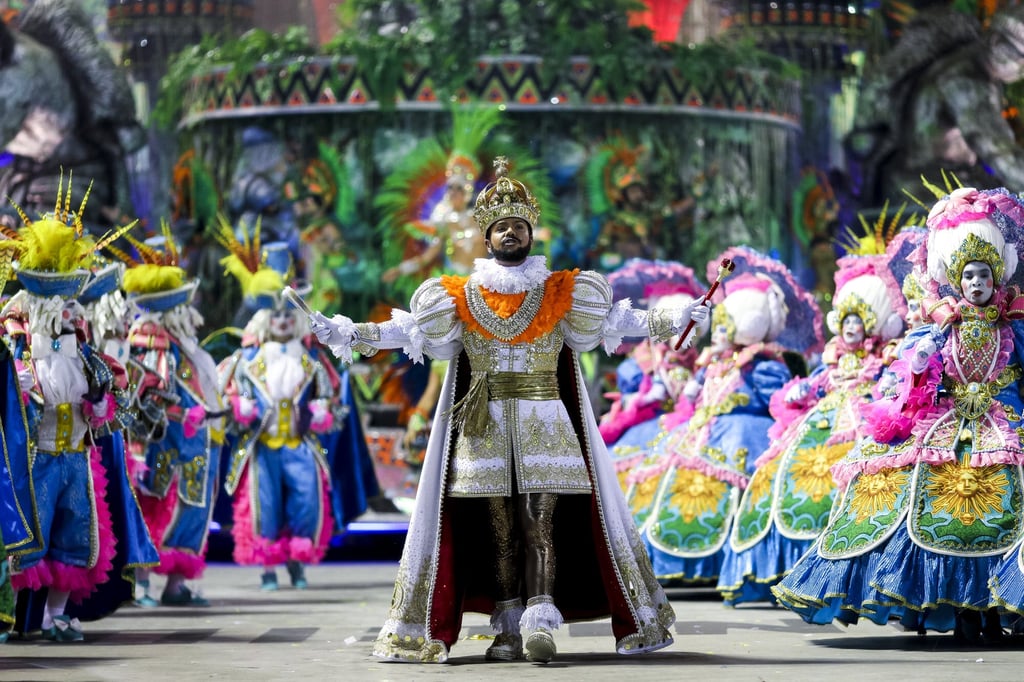
“Everything is already happening in the city, there are parties every weekend, there are parties in the streets, so prohibiting them during carnival doesn’t make any sense,” he said. “People really want to party.”
Notwithstanding the large number of private events, Rio’s streets have been much calmer in the run-up to carnival this year. Normally, the blocos start appearing as early as January, filling the streets with samba bands and boozy revellers in wacky outfits. Public urination is widespread; glitter a prerequisite.
The lack of official events has not stopped tourists from arriving. Foreign languages can be heard across the city’s beaches, and nearly 80 per cent of hotel rooms are occupied, according to industry group HotéisRIO.
Alfredo Lopes, the president of HotéisRIO, said in a statement he expected that number to rise to 85 per cent in the coming days. He credited the occupancy rates to Brazil’s high rate of vaccination, allied with the real currency’s weak exchange rate, which prompted many Brazilians to opt for domestic holidays.