Prince William and Kate Middleton scrap Caribbean engagement amid local protests
- Residents of an indigenous village in Belize staged a protest, upset that the royals’ helicopter had been granted permission to land on a local football field
- The royals’ arrival comes nearly four months after Barbados voted to become a republic, cutting ties with the monarchy but remaining part of the Commonwealth

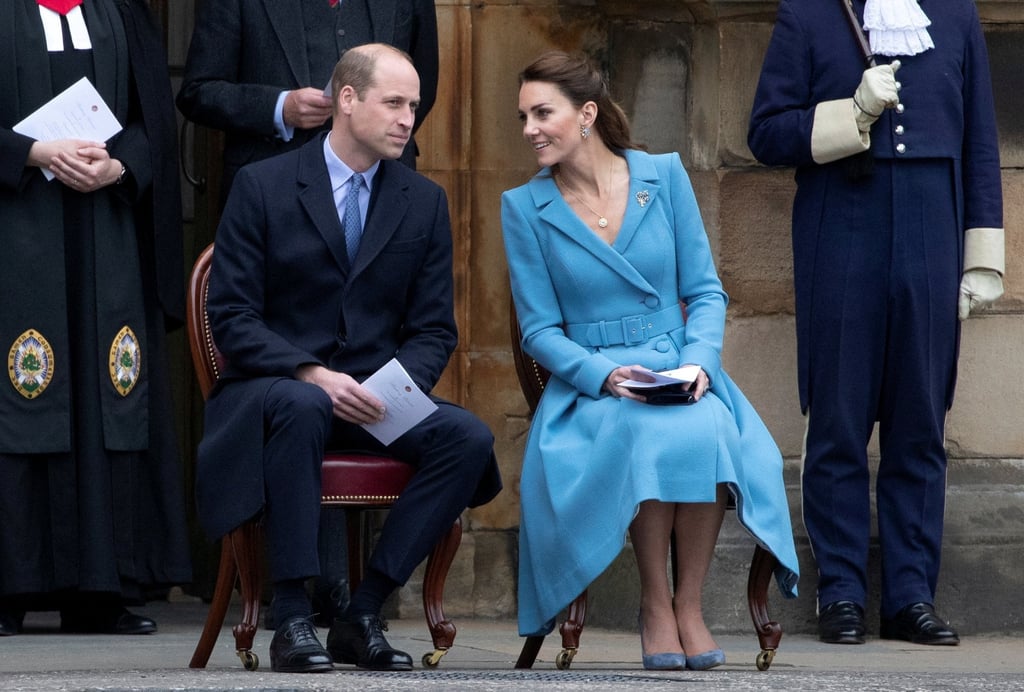
Britain’s Prince William and his wife Kate arrive in Belize on Saturday for a week-long Caribbean tour that was marred by a local protest before it even began amid growing scrutiny of the British Empire’s colonial ties to the region.
The arrival of the Duke and Duchess of Cambridge coincides with the celebration of Queen Elizabeth’s 70th year on the throne, and comes nearly four months after Barbados voted to become a republic, cutting ties with the monarchy but remaining part of the British-led Commonwealth of Nations.
The queen’s grandson and his wife are due to spend their first three days in Belize, formerly British Honduras. But on the eve of their departure, an event planned for Sunday was scrapped when a few dozen villagers staged a protest.
Residents of Indian Creek, an indigenous Maya village in southern Belize, told Reuters they were upset that the royal couple’s helicopter had been granted permission to land on a local football field without prior consultation.
The village is in a land dispute with Fauna & Flora International (FFI), a conservation group supported by the royal family, stirring discontent over colonial-era territorial settlements still contested by indigenous groups.
A visit to a different site is being planned instead, Belize’s government said. In a statement, Kensington Palace confirmed the schedule would be changed because of “sensitive issues” involving the Indian Creek community, and said more details would be provided in due course.
In a statement, FFI said it had bought land at the nearby Boden Creek from private owners in December 2021, and that it would conserve and protect the area’s wildlife while supporting the livelihoods and traditional rights of local people.