
Heavily-armed Lebanese security forces deployed across the northern city of Tripoli on Saturday as forensic experts sifted through the rubble from twin car bombs that killed at least 47 people the day before.
The co-ordinated explosions on Friday outside two mosques in the predominantly Sunni city raised even more the already simmering sectarian tensions in fragile Lebanon, heightening fears the country could be slipping into a cycle of revenge attacks between its Sunni and Shiite communities. For many Lebanese, the bombings also were seen as the latest evidence that Syria’s bloody civil war - with its dark sectarian overtones - is increasingly drawing in its smaller neighbour.
Lebanese police officials on Saturday raised the casualty toll from the bombings to 47 people killed and more than 500 wounded. Some 300 people were still in the hospital a day after the attack, 65 of them in critical condition, the officials said, speaking on condition of anonymity in line with regulations.
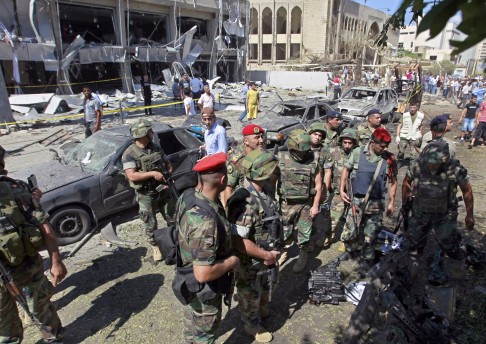
The explosions were clearly intended to cause maximum civilian casualties as they struck at midday on Friday outside the Taqwa and Salam mosques, which are known to be filled with worshippers at that time on the Muslim day of prayer.
Local TV stations aired footage of the frantic first moments following the explosions: bodies scattered beside burning cars, charred victims trapped in smoking vehicles, bloodied casualties emerging from thick, black smoke and people shouting and screaming as they rush victims away.