Tall buildings race needles construction experts
Construction professionals rail against 'useless' spires being deployed to boost 'vanity height'
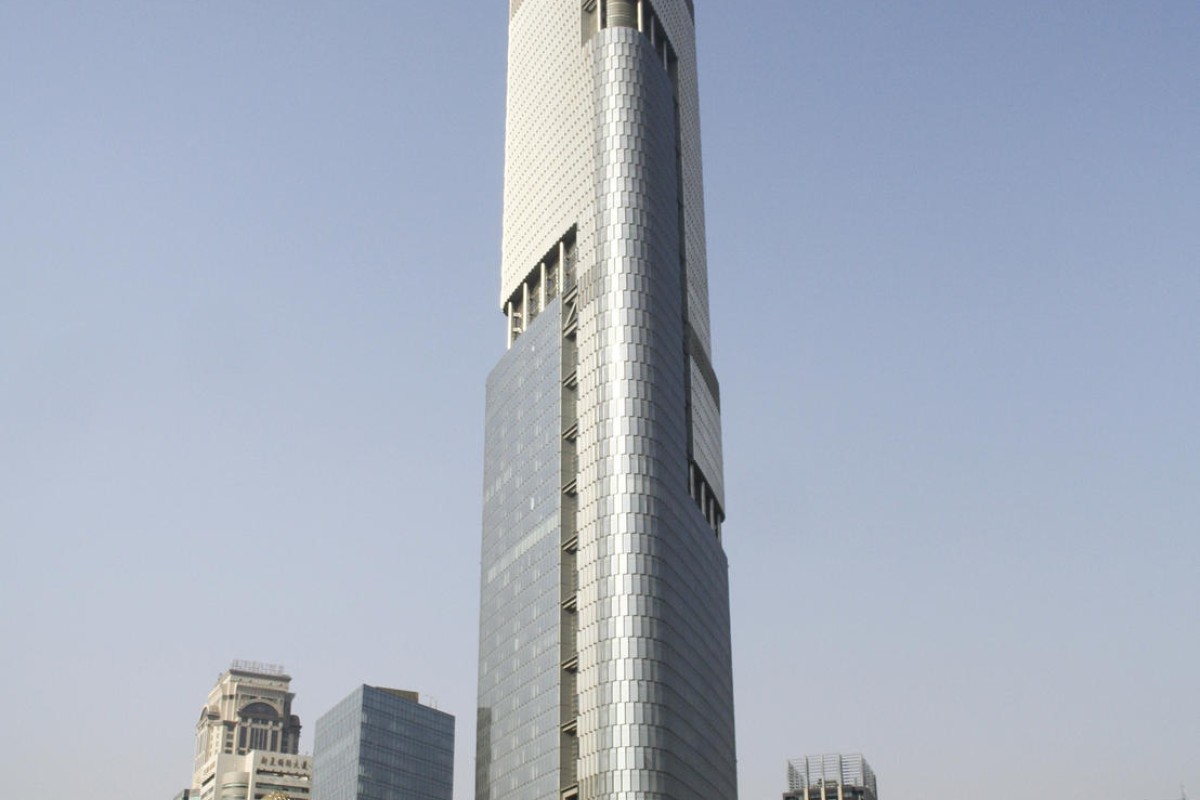
Tall buildings just are not what they used to be.


The Council on Tall Buildings and Urban Habitat has released a report noting that the developers of many new super-skyscrapers have been sticking huge "useless" needles on top of them so they can be marketed as being among the world's tallest.
The trend means that many towers now appearing on lists of super-tall buildings actually have fewer usable floors and lower roofs than the old behemoths they are knocking out of the top ranks. The Chicago-based council, which is seen as a leading authority on skyscrapers, says 44 of the world's 72 tallest buildings got over the symbolic 300-metre mark by adding a decorative spire. The council described this as "vanity height" - the distance between a skyscraper's highest living space, and what is considered its architectural top.
For example, the entire top 40 per cent of Dubai's Burj Al Arab is purely decorative.
Three of the top ten are in China, including the Zifeng Tower (30 per cent), the Minsheng Bank (28 per cent) and The Pinnacle (27 per cent).