Wary Israel still heeding lessons of Yom Kippur war as it eyes Iran
Nation feels vulnerable to threat from Iran, 40 years after Arab neighbours' surprise attack
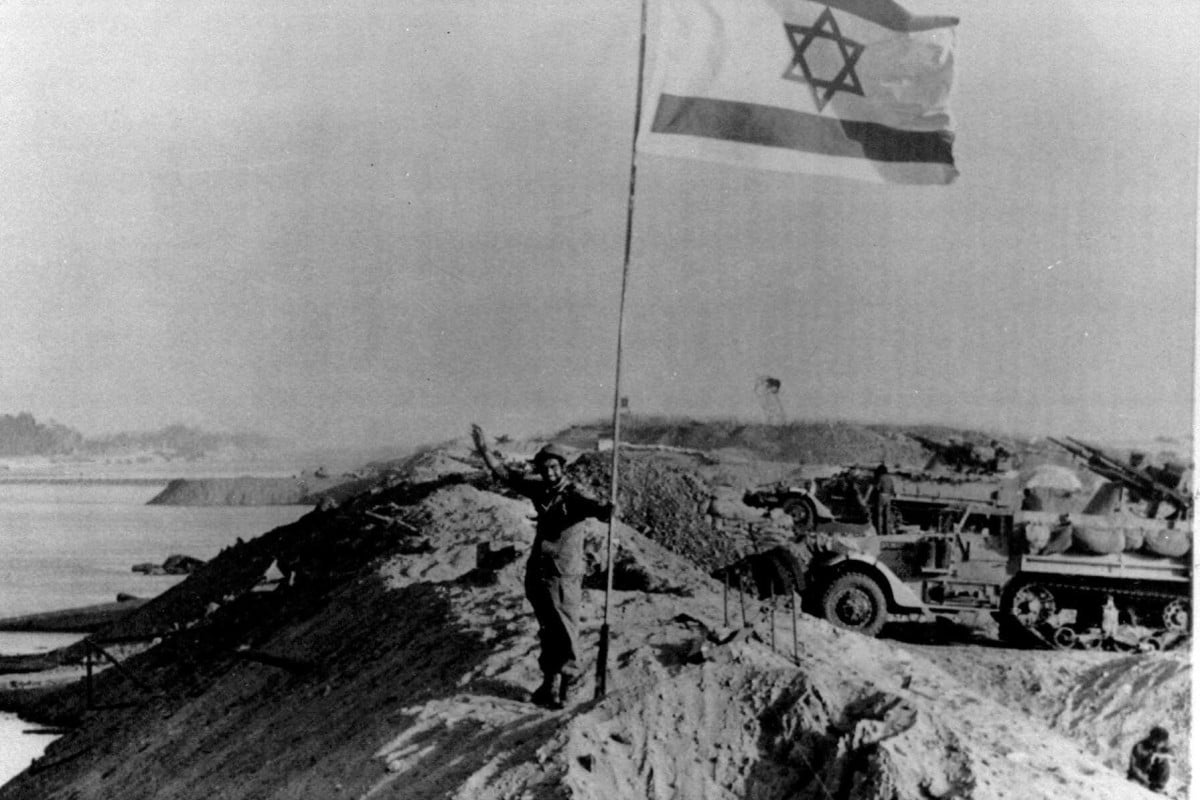
Forty years after the Yom Kippur war, when Arab states caught it off guard, Israel once again feels vulnerable to a surprise attack in a hostile region.
Israel's enemies since the October 1973 war, when Syria and Egypt led the assault, have diversified to include Lebanon's Iran-backed Shiite movement.
Now as then, 40 years later, Israel continues on its own way. It leans only on its military power and the support of the United States. It continues to ignore its isolation and the limitations of its power
Israeli media have been filled with analyses of the conflict that shook Israel out of complacency after its rout of the same foes in the 1967 six-day war.
"One of the causes of our failure at the beginning of the conflict came from a feeling of superiority that we held after the 1967 victory," Defence Minister Moshe Yaalon said at a meeting with defence officials last month.
Israel had "too much confidence, arrogance and lack of caution. We'll never underestimate the enemy again," he said.
And this week, Prime Minister Benjamin Netanyahu showed no sign of complacency as he used his speech at the UN General Assembly to attack arch-foe Iran, whose new President Hassan Rowhani has started reaching out to the West.
Netanyahu said Israel was ready to take unilateral military action if diplomacy failed to ease what the Jewish state sees as an existential threat from Iran's nuclear programme.