Poll test for British PM David Cameron after Patrick Mercer resigns
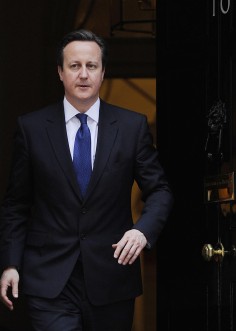
British Prime Minister David Cameron faces a potentially awkward test of voter support following the resignation of lawmaker Patrick Mercer, a former member of his Conservative Party.

British Prime Minister David Cameron faces a potentially awkward test of voter support following the resignation of lawmaker Patrick Mercer, a former member of his Conservative Party.
Mercer's resignation on Tuesday, after reports he was to be suspended for six months for breaking lobbying rules, triggers an election that would allow the anti-European Union UK Independence Party (UKIP) to test its growing popularity in a region where the Conservative Party is traditionally strong.
The vote will not take place until after European Parliament elections next month, in which UKIP is expected to push Cameron's Conservatives into third place behind itself and the opposition Labour party.
Minority parties tend to do better in European than in domestic elections as the voting system favours them and voters are more likely to cast their ballots in protest or on single issues.
So a big loss of Conservative votes in Newark to UKIP, which has nine seats in the European Parliament but no elected members in Britain's parliament, could hint at a serious split in the centre-right vote in next year's national election.