Humans coexisted with Neanderthals for millennia, new study shows
Modern humans coexisted with their evolutionary cousins for millennia, a new study shows

Far from wiping out the Neanderthals overnight, modern humans rubbed along with their shorter and stockier cousins for thousands of years, giving plenty of time for the two groups to share ideas - and have sex.
The most accurate timeline yet for the demise of our closest relatives, published on Wednesday, shows Neanderthals overlapped with present-day humans in Europe for between 2,600 and 5,400 years before disappearing about 40,000 years ago.
Pinpointing when the Neanderthals became extinct has been tough because radiocarbon dating is unreliable for samples that are more than 30,000 years old, due to contamination.
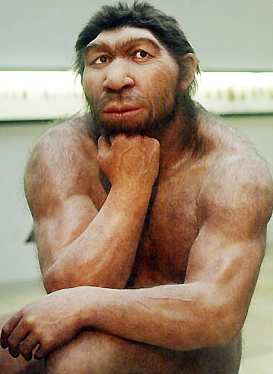
The data showed that Neanderthals vanished from Europe between 39,000 and 41,000 years ago - but rather than being replaced rapidly by modern humans, their disappearance occurred at different times across sites throughout the continent.
"Now that we are using better techniques, the picture is becoming much more clear in terms of the process by which Neanderthals disappeared from Europe," said lead researcher Tom Higham. "Our results suggest there was a mosaic of populations."
Scientists already know from DNA evidence that there was some interbreeding between the two groups, although it is not clear whether this occurred once or many times.