End of the polygraph? Full-body suits that detect feelings of guilt developed
Full-body suits with sensors monitor motions to detect feelings of guilt
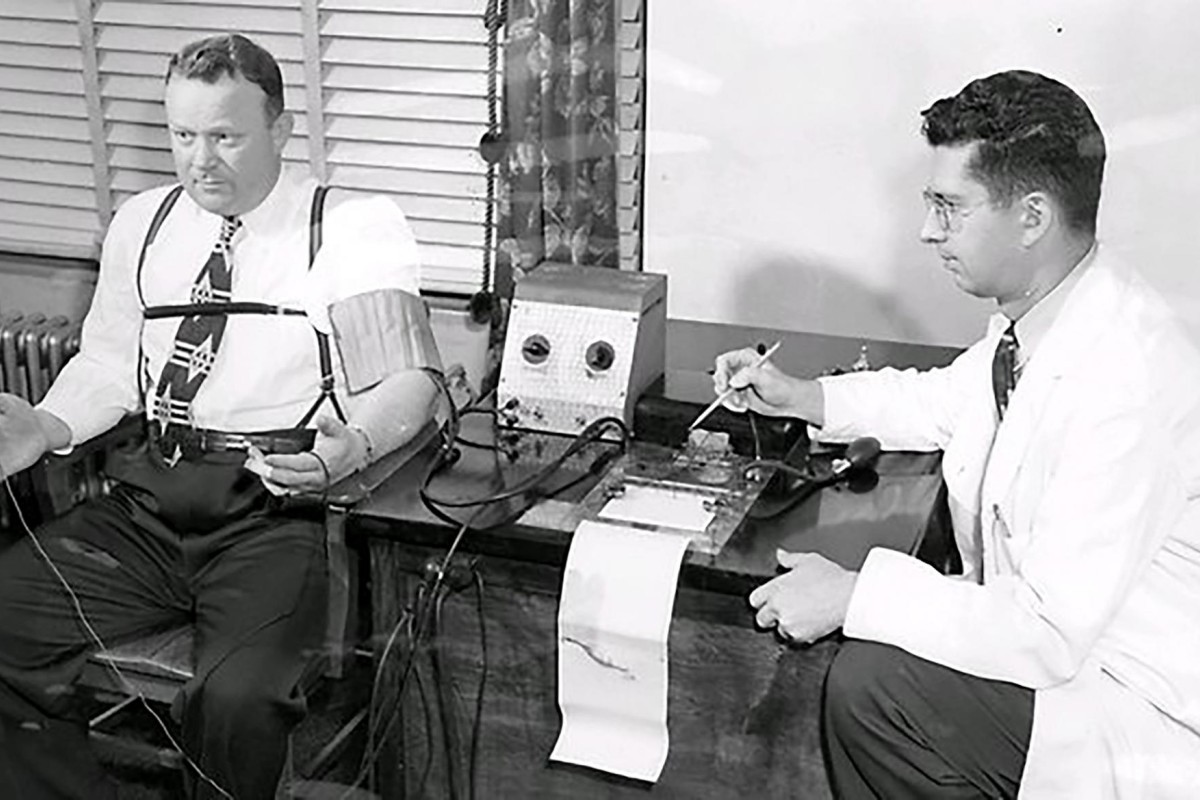
Police and intelligence agencies around the world have for almost 100 years relied on polygraph lie-detectors to help convict criminals or unearth spies and traitors.
The invention is beloved of the movies, with countless dramatic moments showing the guilty sweating profusely as they are hooked up.
But the polygraph could soon be defunct. Researchers in Britain and the Netherlands have made a breakthrough, developing a new method with a success rate of more than 70 per cent in tests that could be in use in police stations within a decade.
Rather than relying on a few facial tics, talking too much or waving of arms - all seen as tell-tale signs of lying when being interviewed - the new method involves monitoring full-body motions to provide an indicator of guilty feelings.
The basic premise is that liars fidget more and that the use of an all-body motion suit, the kind used in movies for helping create cartoons, will pick this up.
The full-body suit contains 17 sensors that register movement up to 120 times per second in three dimensions for 23 joints.
The findings are to be published this week at an international conference on system sciences opening in Kauai, Hawaii.