No excuse for being late: Super clock loses less than a second every 15 billion years
Physicists say they have fine-tuned an atomic clock to the point where it won’t lose or gain a second in 15 billion years - longer than the universe has existed.
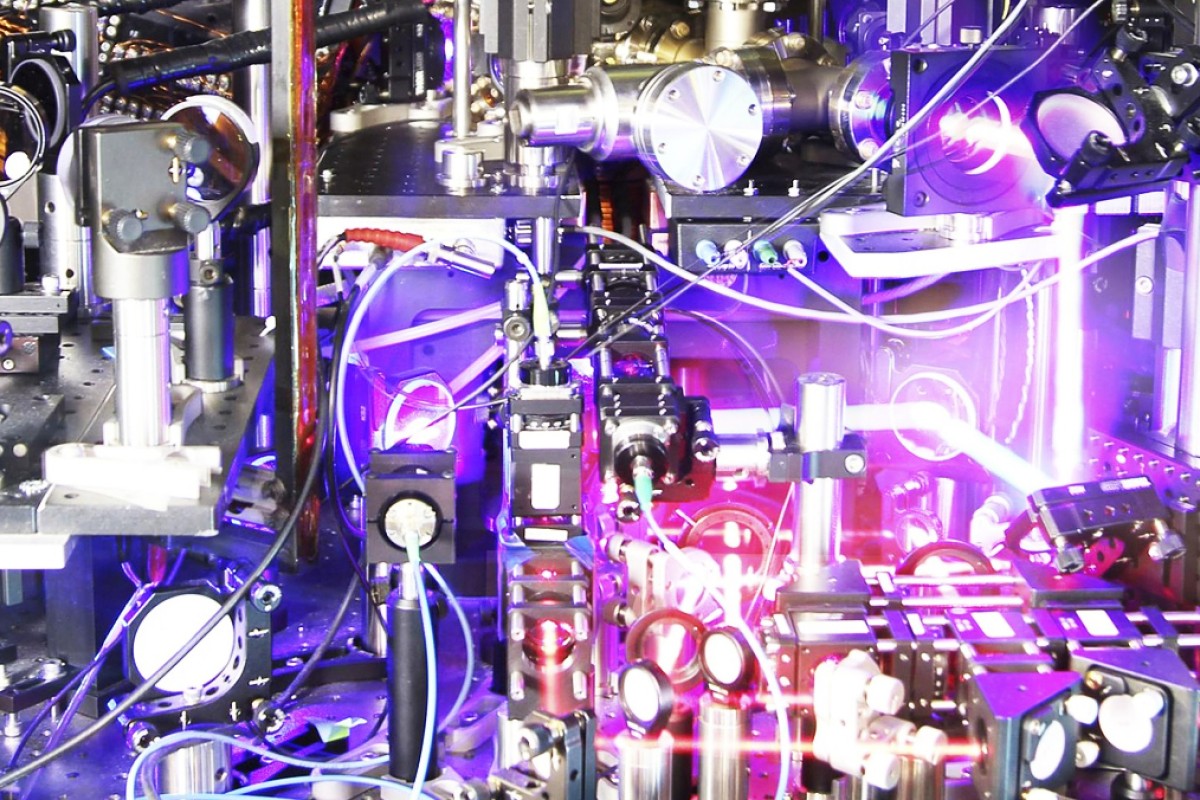
Physicists say they have fine-tuned an atomic clock to the point where it won’t lose or gain a second in 15 billion years - longer than the universe has existed.
The “optical lattice” clock, which uses strontium atoms, is now three times more accurate than a year ago when it set the previous world record, its developers reported in the journal Nature Communications.
The advance brings science a step closer to replacing the current gold standard in timekeeping: the caesium fountain clock that is used to set Coordinated Universal Time (UTC), the official world time.
“Precise and accurate optical atomic clocks have the potential to transform global timekeeping,” the study authors wrote.
Accurate timekeeping is crucial for satellite navigation systems, mobile telephones and digital TV, among other applications, and may open new frontiers in research fields like quantum science.
The world’s official unit of time, the second, has since 1967 been determined by the vibration frequency of an atom of the metallic element Caesium 133 - a method of measurement similar to monitoring the pendulum swings of a grandfather clock.