Woolly mammoths suffered harmful mutations and genetic ‘meltdown’ before extinction

Before woolly mammoths went extinct thousands of years ago, their dwindling population suffered a series of genetic mutations that hampered their ability to survive, researchers said Thursday.
Woolly mammoths were once among the most common herbivores in North America and Siberia, but came under threat from increased hunting pressure and a warming climate. They disappeared from the Earth 3,700 years ago.
Experts analysed the genome of one of the last known woolly mammoths ever found - a 4,300-year-old specimen from Wrangel Island, off the northern coast of Siberia.
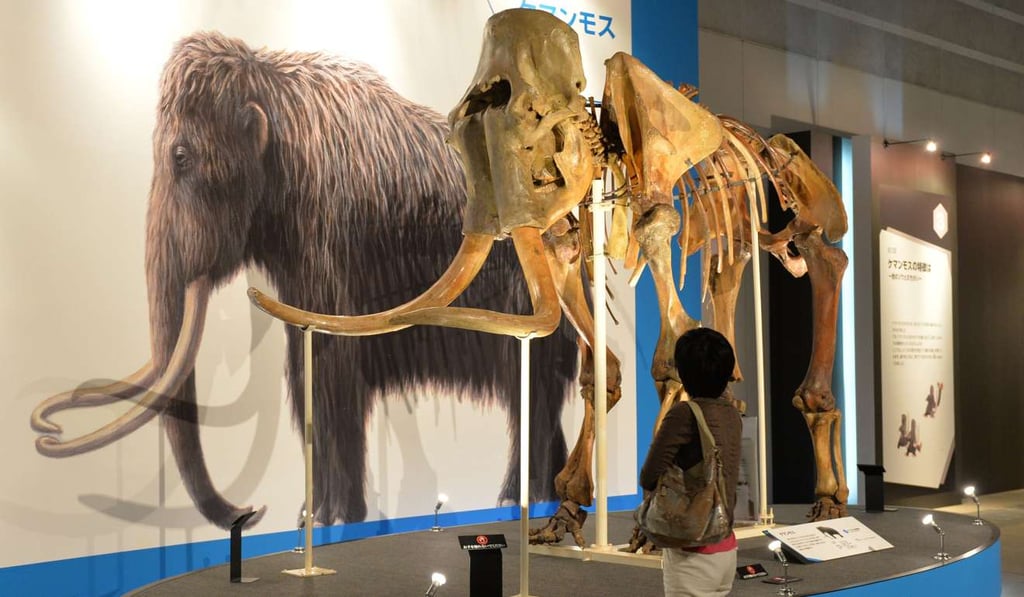
They compared the genes from this recent specimen to one that was far older - from some 45,000 years ago - and came from a population that was much more numerous and robust.
“Here we got a rare chance to look at snapshots of genomes ‘before’ and ‘after’ a population decline in a single species,” said co-author Rebekah Rogers of the University of California, Berkeley.
“The results we found were consistent with this theory that had been discussed for decades.”