
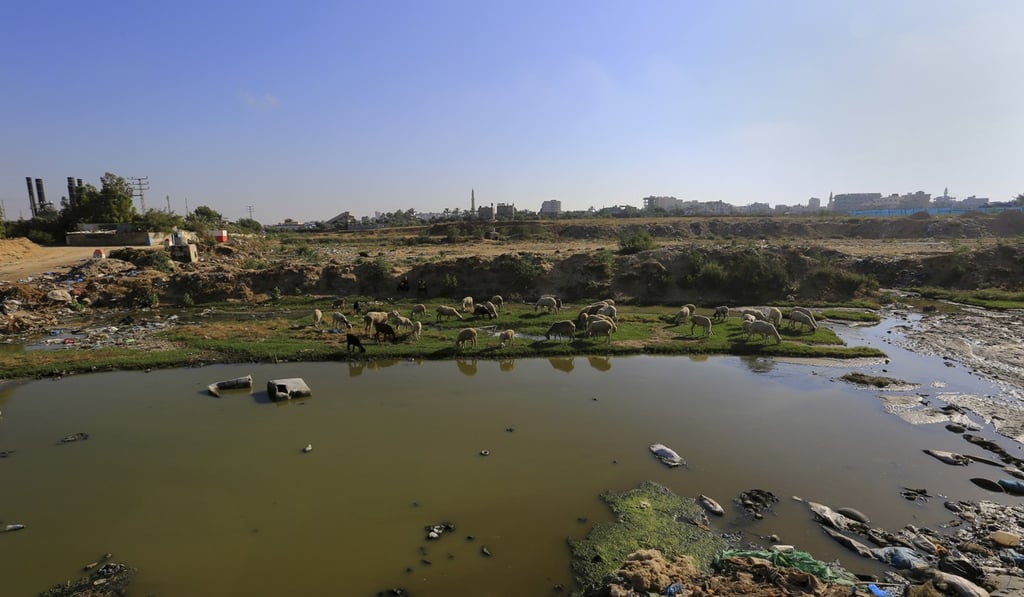
Untreated wastewater from cities is used to irrigate 50 per cent more farmland worldwide than previously thought, leaving some 885 million people exposed to the risk of diseases, including diarrhoea and cholera, a study said on Wednesday.
Crops covering almost 36 million hectares - an area roughly the size of Germany - are irrigated with water from rivers and lakes used by cities within 40km upstream to discharge sewage, according to an international team of researchers.
About 80 per cent of these crops - 29 million hectares - are in countries with very limited wastewater treatment, such as China, India, Pakistan, Mexico and Iran, according to the paper published in the journal Environmental Research Letters.
The study was the first to use remote sensing and geographic information systems (GIS) for its data analysis, improving on earlier estimates based on case studies and guesswork, researchers said.
“In wastewater we have a lot of faecal contaminants from excrement,” Drechsel, a scientist at the International Water Management Institute (IWMI), said by phone.