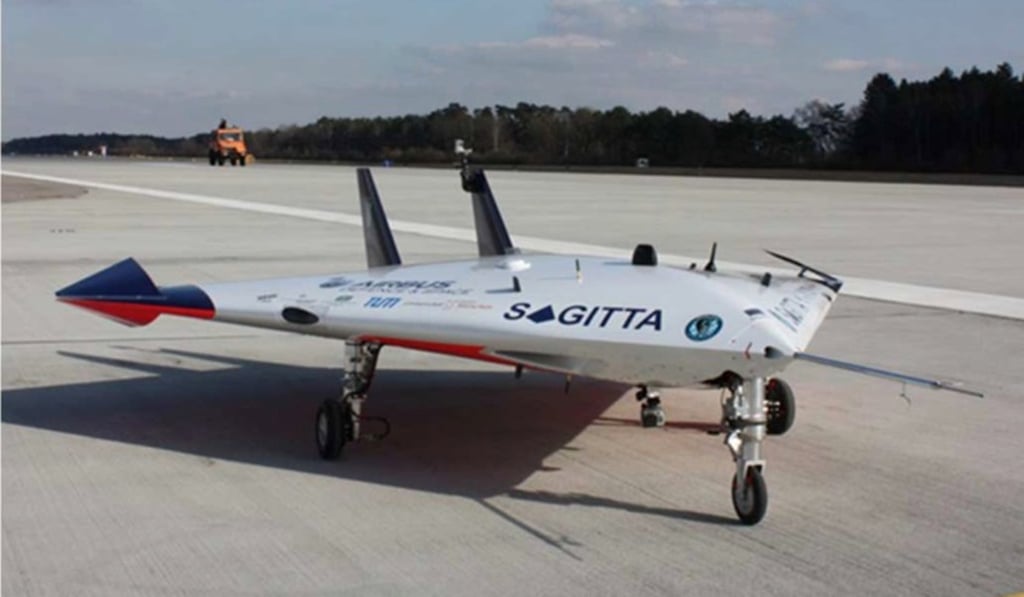
Pilotless planes would save billions - but would passengers still be brave enough to fly?
Unmanned planes would save airlines US$35b, analysis suggests, although many passengers say that even cost savings would not tempt them aboard

Pilotless planes would save airlines US$35 billion a year and could lead to substantial fare cuts – if passengers were able to stomach the idea of remote-controlled flying, according to new research.
The savings for carriers could be huge, said investment bank UBS, even though it may take until the middle of the century for passengers to have enough confidence to board a pilotless plane. UBS estimated that pilots cost the industry US$31 billion a year, plus another US$3 billion in training, and that fully automated planes would fly more efficiently, saving another US$1 billion a year in fuel.
Passengers could benefit from a reduction in ticket prices of about a tenth, the report said. “The average percentage of total cost and average benefit that could be passed onto passengers in price reduction for the US airlines is 11 per cent,” it said, although the savings in Europe would be less, at 4 per cent on average but rising to 8 per cent at Ryanair.
Aircraft costs and fuel make up a much larger proportion of costs at airlines than pilot salaries, but UBS said profits at some major airlines could double if they switched to pilotless.
More than half of the 8,000 people UBS surveyed, however, said they would refuse to travel in a pilotless plane, even if fares were cut.