The pope did not endorse Trump, and Pizzagate didn’t happen, but ‘fake news’ is definitely 2017’s word of the year

“Fake news” has acquired a certain legitimacy after being named word of the year by Collins, following what the dictionary called its “ubiquitous presence” over the last 12 months.
Collins Dictionary’s lexicographers, who monitor the 4.5 billion-word Collins corpus, said that usage of the term had increased by 365 per cent since 2016. The phrase, often capitalised, is frequently a feature of Donald Trump’s rhetoric; in the last few days alone he has tweeted of how “the Fake News is working overtime” in relation to the investigation into Russian interference in the 2016 US presidential elections, and of how “Fake News [is] weak!”
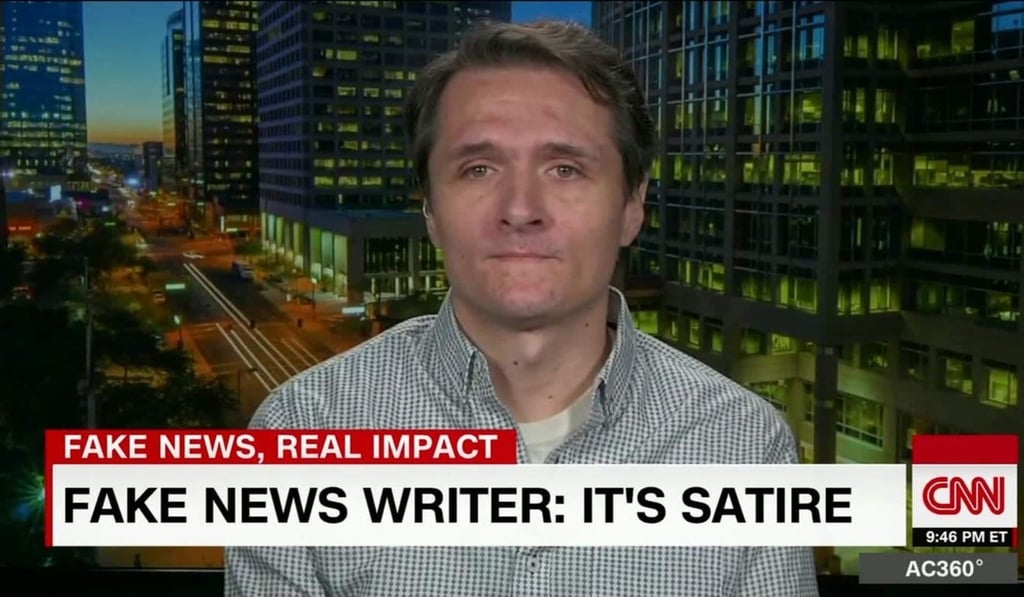
Collins said that “fake news” started being used in the noughties on US television to describe “false, often sensational, information disseminated under the guise of news reporting”.
Its usage has climbed since 2015 an the US election cycle - think the notorious “Pope endorses Trump” headline, or various incarnations of the “Pizzagate” story linking a Washington pizza parlour to a high-powered paedophilia-and-murder ring. According to the dictionary it really took off this year, with its ubiquity to be acknowledged with a place in the next print edition of the Collins Dictionary.
A number of other words related to politics and current affairs were also in its list of the words of the year. “Echo chamber”, defined as “an environment, especially on a social media site, in which any statement of opinion is likely to be greeted with approval because it will only be read or heard by people who hold similar views”, has seen a “steady increase” in usage over the last five years, while “antifa” saw its usage rise by almost 7,000 per cent following violent clashes between anti-fascist protesters and the far right, particularly in the US.