
Blue whales, the world’s largest animals, usually favour their right side when they lunge to catch food – a preference similar to right-handedness in people, researchers said Monday.
But on certain occasions while moving upward in shallow water, these righties will almost always shift to their left to keep a good eye on their favoured prey – tiny crustaceans known as krill.
The reason for this situation-specific choice is likely simple: to get as much food in their mouths as possible, said the report published in Current Biology.
“To the best of our knowledge, this is the first example where animals show different lateralised behaviours depending on the context of the task that is being performed,” said co-author James Herbert-Read of Stockholm University in Sweden.
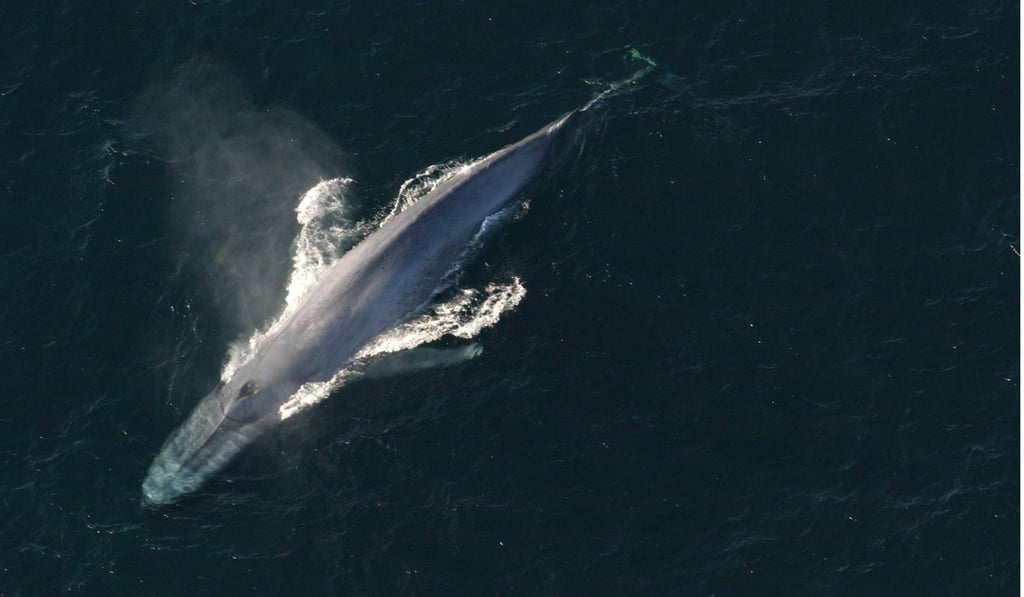
These giant creatures are almost as long as three school buses and weigh as much as 25 elephants.
Scientists analysed more than 2,800 feeding plunges, in which whales make sharp turns or rolls when passing a patch of krill, in order to eat as many as possible.