The ‘Elvis of opera’: Russian baritone Dmitri Hvorostovsky dies at 55
Audiences wept and gave a standing ovation when Hvorostovsky gave a dramatic unannounced performance last May as he battled brain tumour

Dmitri Hvorostovsky, the Russian baritone known for his velvety voice, dashing looks and shock of flowing white hair, died Wednesday at a hospice near his home in London, a few years after he was diagnosed with a brain tumour. He was 55.
Called “the Elvis of opera” and the “Siberian Express” by some, Hvorostovsky announced in June 2015 that he had been diagnosed with the tumour. He returned to New York’s Metropolitan Opera three months later to sing the Count di Luna in Verdi’s Il Trovatore and was greeted with a loud and lengthy ovation that caused him to break character. Musicians in the orchestra threw white roses during the curtain calls.
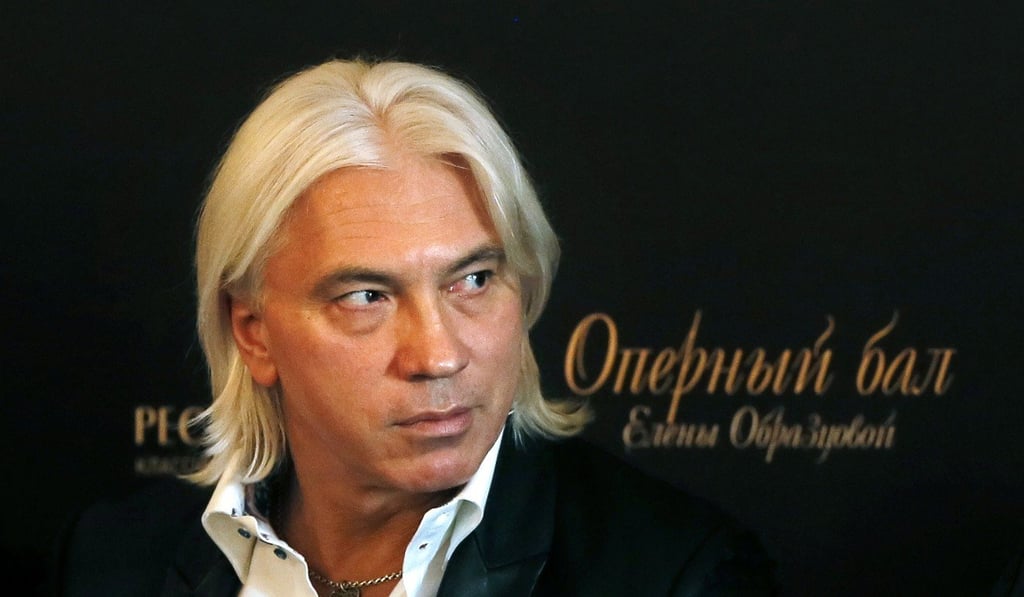
Despite his illness, he sang in Tchaikovsky’s Eugene Onegin at London’s Royal Opera that December, in Verdi’s Simon Boccanegra and Un Ballo in Maschera (A Masked Ball) at the Vienna State Opera the following spring and gave his final four staged opera performances as Giorgio Germont in Verdi’s La Traviata in Vienna, the last on November 29 last year. He announced the following month that balance issues had caused him to cancel future opera appearances.
He brought an innate nobility and intense commitment to every role
“Dima was a truly exceptional artist – a great recitalist as well as a great opera singer, which is rare,” said soprano Renee Fleming, who teamed with Hvorostovsky for a memorable run of Onegin among their many performances. “His timbre, musicality, musicianship, technique, and especially his capacity for endless phrases, were second to none. I have no doubt that he would have sung beautifully for another 20 years or more, had he not been taken from us. I can’t hear Eugene Onegin, Valentin in Faust or Simon Boccanegra without longing to hear Dmitri. He brought an innate nobility and intense commitment to every role.”
Hvorostovsky made a dramatic unscheduled appearance at the Met last May for a gala celebrating the 50th anniversary of the company’s move to Lincoln Centre for the Performing Arts. Walking stiffly, looking thin and with his cheekbones more pronounced, Hvorostovsky received a standing ovation and lit into Rigoletto’s second-act aria Cortigiani, vil razza dannata (Courtiers, vile cursed kind).