With arms stronger than elite rowers, prehistoric women were totally ripped, researchers discover
Bone scans suggest that prehistoric women engaged in heavy manual labour

Prehistoric women had stronger arms than elite female rowers do today thanks to the daily grind of farming life, researchers have revealed, shedding light on their role in early communities.
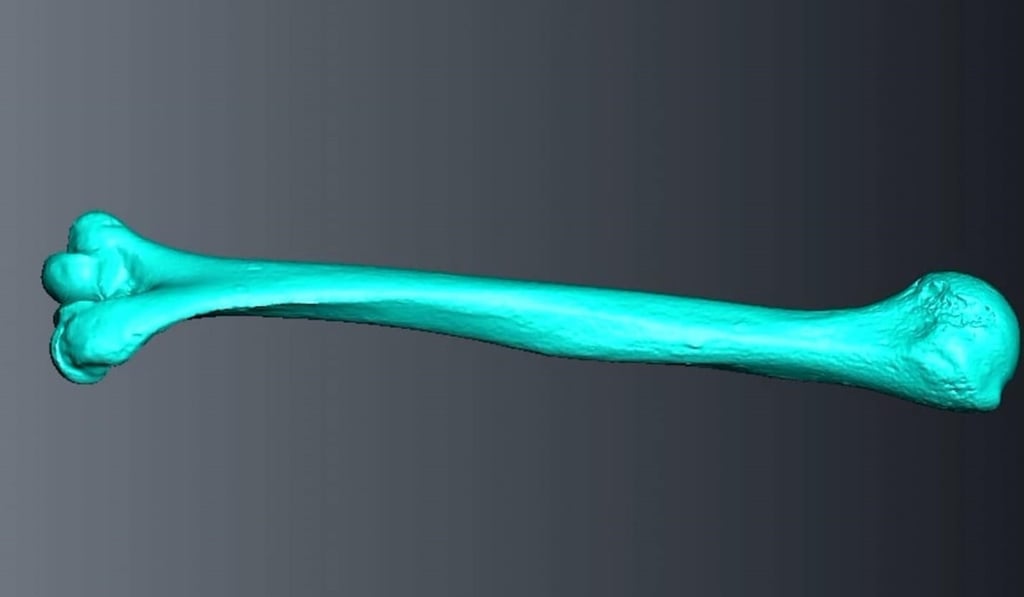
The study of ancient bones suggests that manual agricultural work had a profound effect on the bodies of women living in central Europe between about the early neolithic and late iron age, from about 5,300BC to AD100.
“We think a lot of what we are seeing is the bone’s response to women grinding grain, which is pretty much seated but using your arms really repetitively many hours a day,” said Dr Alison Macintosh, co-author of the research from the University of Cambridge.
Women have been doing rigorous labour over thousands of years [and] that’s really been underestimated so far
The research builds on previous work by the team on male leg bones, which revealed a decline in strength since the late iron age. “Early farming men had these really strong leg bones – when you compared them to living men they were close to what you see in living runners, suggesting they were really active,” said Macintosh. “Then [there is] this really progressive decline though time in bone strength, down to what you see in living sedentary undergraduate students at Cambridge.”
With similar trends not seen for women, Macintosh and colleagues decided to explore whether skeletal remains could offer other clues about the roles of women in early farming communities. To do so they explored the remains of 94 women spanning about 6,000 years, from the time of the early neolithic farmers (dating back to around 5,300BC) through to the 9th century, from countries including Germany, Austria, and northern Serbia.