UN says disaster risk in war zones must be handled despite difficulties

Protecting people from natural disasters in fragile states and war zones can be done – and should be attempted despite the practical difficulties, UN officials said.
Conflict-torn countries, like Syria and Afghanistan, may lack functioning governments, but pockets can be identified where it is possible to work with communities to reduce the risks of floods, earthquakes and other hazards, said Robert Glasser, head of the UN Office for Disaster Risk Reduction.
“It is hard because you don’t have institutions in place when a civil war is happening,” Glasser told the Thomson Reuters Foundation on the sidelines of the World Urban Forum, the world’s biggest conference on sustainable cities. “(But) there is still a lot you can do to improve resilience.”
Examples of approaches that would work at the local level include early warning systems that use mobile phones, harvesting water to combat droughts, and widening options for people to make a living, Glasser said.
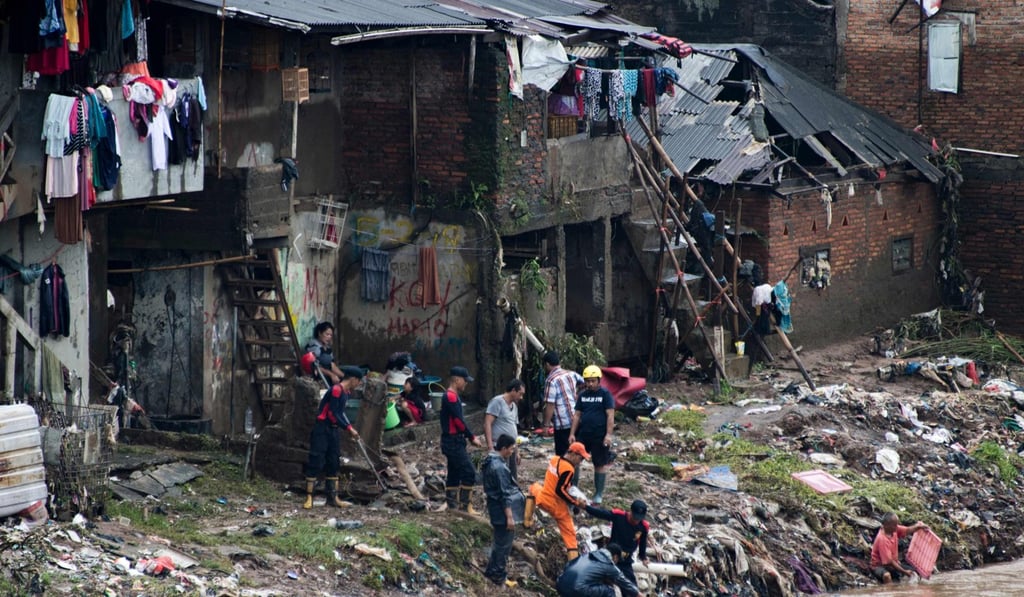
Disaster risk reduction works best in a conflict zone when aid workers have an agreement with both warring sides, said Srinivasa Popuri, a senior officer for the Asia-Pacific region with UN-Habitat, the UN agency that works on urban development.