Chimpanzee nests have fewer faecal bacteria than human beds, disgustingly detailed study finds
Chimp nests have plenty of bacteria, but only 3.5 per cent is associated with their bodies - in contrast to the swarm of human-linked microbes found on a typical mattress

We all have our nightly rituals: A nightcap and a bestseller, a vigorous floss, a last compulsive scroll through Twitter. Chimpanzees, our closest genetic relatives, have their bedtime habits, too. Every evening, a chimp makes a new bed, in the literal sense, weaving branches and sticks into baskets that hang as high as 10 metres above the forest floor. Humans who have slept in these nests, like anthropologist Fiona Stewart, describe them as cramped but effective wards against predators and bloodsuckers.
For the first time, scientists have probed the nests to see what sort of insects, other creepy-crawlies and microbes share a chimpanzee’s bedding. The researchers say they wanted to compare wild-nest inhabitants with bugs of a more familiar sort – meaning what skitters or lurks between our sheets.
The chimpanzee lifestyle, with regard to their microbes, “is probably a good match for our ancestral exposures,” said Rob Dunn, a North Carolina State University biologist. “You have heard of paleo dieting. We were trying to get a sense of what paleo bedding was like.”
Dunn and his co-authors report in a new paper, published in the journal Royal Society Open Science, that the chimpanzee bed ecosystem does not mirror the human version.
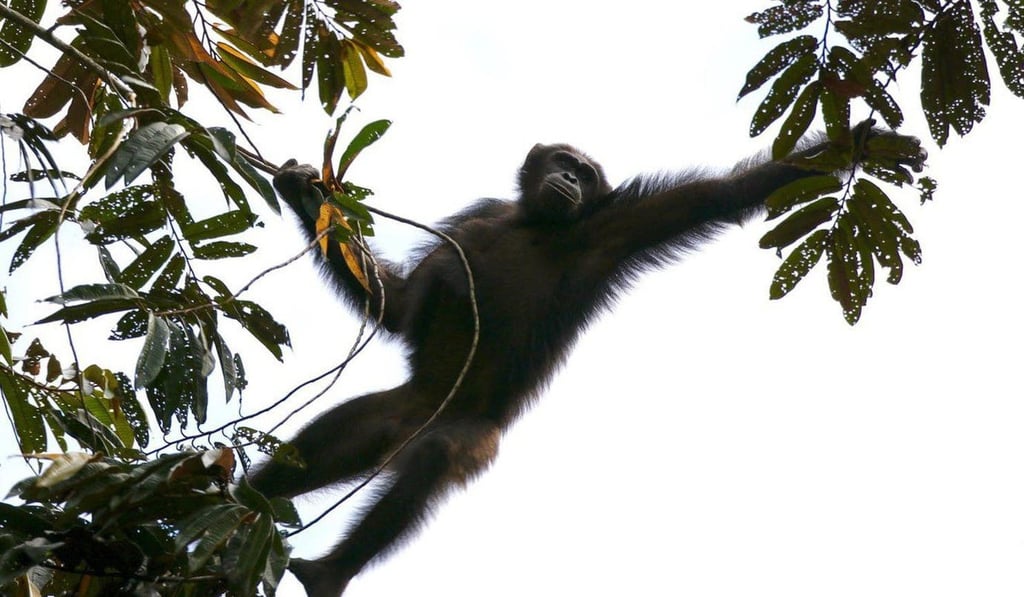
The last direct human relative to sleep in trees did so around 2 million years ago, after which Homo erectus began to slumber on the ground. Archaeological evidence suggests that our older ancestors snoozed in nests much like today’s primates. Many of the largest living primates, such as gorillas and orangutans, also build elevated platforms because tree branches alone can’t support the weight of great apes.
In the new study, Thoemmes, Stewart, Dunn and their colleagues decided to study chimpanzees in part because they share all but 1.2 per cent of human DNA. Chimpanzee parasites are well documented, as is their microbiome, the collection of microscopic organisms that call chimp bodies home.