Superbugs are now becoming resistant to alcohol-based hand sanitisers and disinfectants
Recent strains of the dangerous VRE bacteria are more likely to survive exposure to disinfectant alcohol than strains collected just a few years earlier, researchers warn

Multidrug-resistant “superbugs” that can cause dangerous infections in hospitals are becoming increasingly resistant to alcohol-based hand sanitisers and disinfectants designed to hold them at bay, scientists said.
In a study of what the researchers described as a “new wave of superbugs”, the team also found specific genetic changes over 20 years in vancomycin-resistant Enterococcus, or VRE – and were able to track and show its growing resistance.
Their findings were published on Wednesday in the journal Science Translational Medicine.
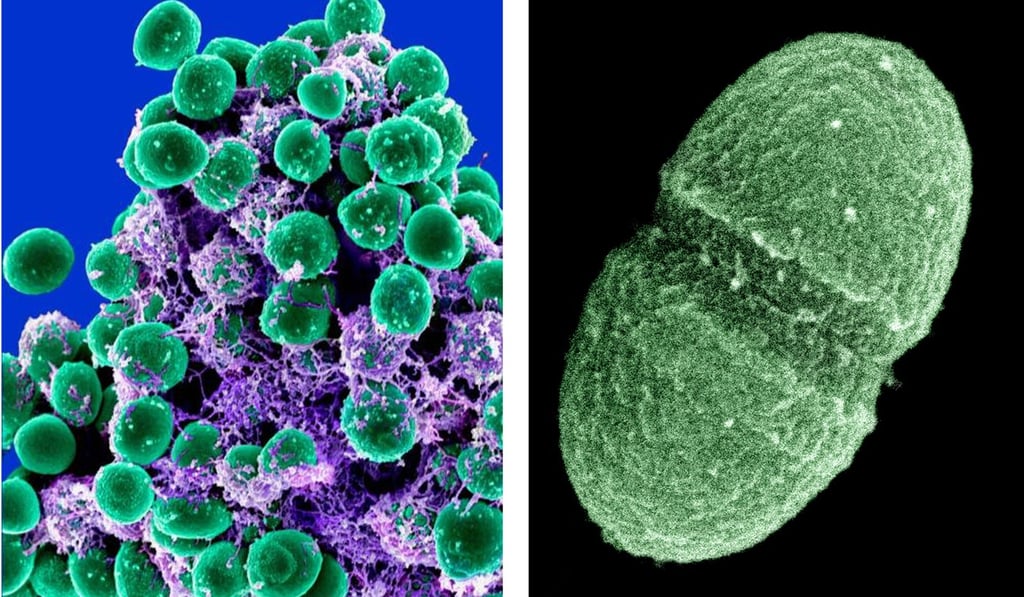
In efforts to tackle the rise of hospital superbugs such as VRE and MRSA, or methicillin-resistant Staphylococcus aureus, institutions worldwide have adopted stringent hygiene steps – often involving hand rubs and washes that contain alcohol.
Tim Stinear, a microbiologist at Australia’s Doherty Institute who co-led the study, said that in Australia alone, use of the alcohol-based hand hygiene has increased tenfold over the past 20 years. “So we are using a lot and the environment is changing,” he said.