‘Feedback loops’ of climate events could push Earth into a hothouse state, scientists warn
A cascade of 10 events could put Earth on a trajectory for ruinous effects by the end of the century

A domino-like cascade of melting ice, warming seas, shifting currents and dying forests could tilt the Earth into a “hothouse” state beyond which human efforts to reduce emissions will be increasingly futile, a group of leading climate scientists has warned.
This grim prospect is sketched out in a journal paper that considers the combined consequences of 10 climate change processes, including the release of methane trapped in Siberian permafrost and the impact of melting ice in Greenland on the Antarctic.
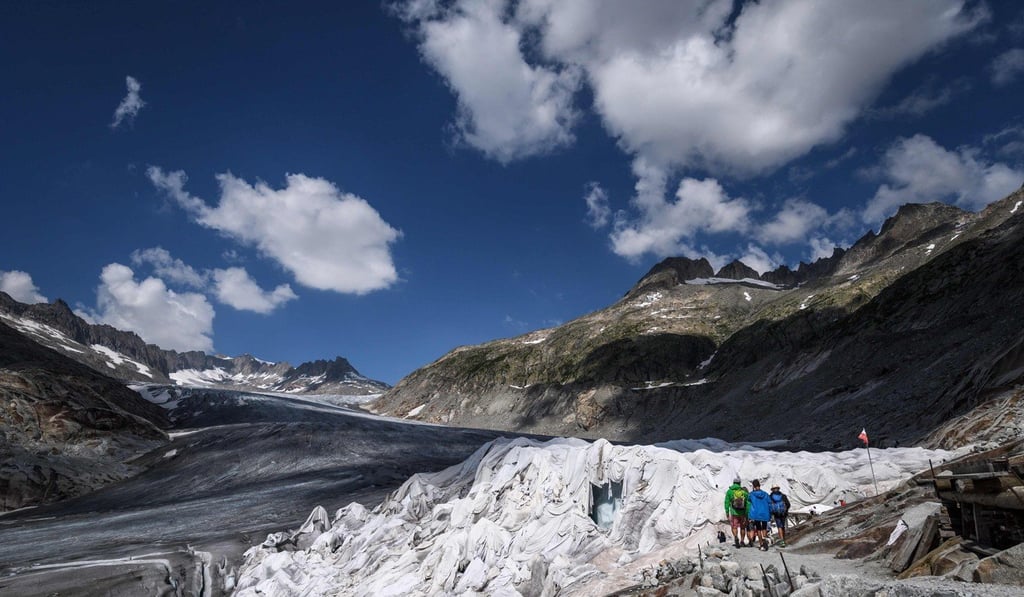
They warn that the hothouse trajectory “would almost certainly flood deltaic environments, increase the risk of damage from coastal storms, and eliminate coral reefs (and all of the benefits that they provide for societies) by the end of this century or earlier.”
In the context of the summer of 2018, this is definitely not a case of crying wolf, raising a false alarm: the wolves are now in sight
Fifty years ago, this would be dismissed as alarmist, but now scientists have become really worried Johan Rockström, executive director, Stockholm Resilience Centre