World waste could grow by 70 per cent as cities boom, warns World Bank
Waste from South Asia and Sub-Saharan Africa is set to soar, far outstripping population growth

Global waste could grow by 70 per cent by 2050 as urbanisation and populations rise, said the World Bank on Thursday, with South Asia and Sub-Saharan Africa set to generate the biggest increase in rubbish.
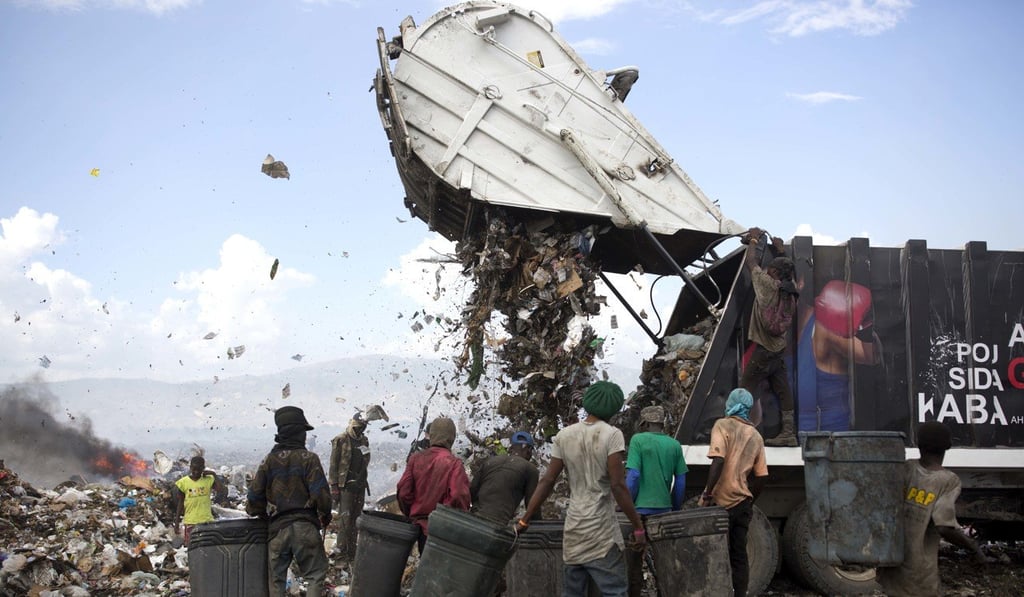
Countries could reap economic and environmental benefits by better collecting, recycling and disposing of trash, according to a report, which calculated that a third of the world’s waste is instead dumped openly, with no treatment.
“If we don’t take any action it could have quite significant implications for health, productivity, environment, livelihoods,” she said by phone from Belarus.
The rise in rubbish will outstrip population growth, reaching 3.4 billion tonnes by 2050 from around 2 billion tonnes in 2016, according to the report.
High-income countries produce a third of the world’s waste, despite having only 16 per cent of world’s population, while a quarter comes from East Asia and the Pacific regions, it said.
While more than a third of waste globally ends up in landfill, over 90 per cent is dumped openly in lower income countries that often lack adequate disposal and treatment facilities, said the report.