This is how the female human body uses obstacles to block weak sperm, like salmon running into a waterfall
- Only the best swimming sperm can make it though tight spots known as strictures that act like gates on the journey from cervix to egg

For millions of sperm it is the end of the road. Scientists have found evidence that the female reproductive tract is shaped in such a way that stops poor swimmers from reaching their goal.
Researchers used small-scale models and computer simulations to show that pinch points that behave like gates along the sperm’s arduous path from cervix to egg allow only the fastest ones through.
Tests with sperm from men and bulls revealed that the strongest swimmers were most likely to make it through the tight spots, known as “strictures”, while weaker ones were caught in oncoming currents that propelled them backwards when they got too close, like salmon failing to make it up a waterfall.
“The overall effect of these strictures is to prevent slow sperm from making it through and to select for sperm with highest motility,” said Alireza Abbaspourrad, a chemist and lead author on the study at Cornell University in New York.
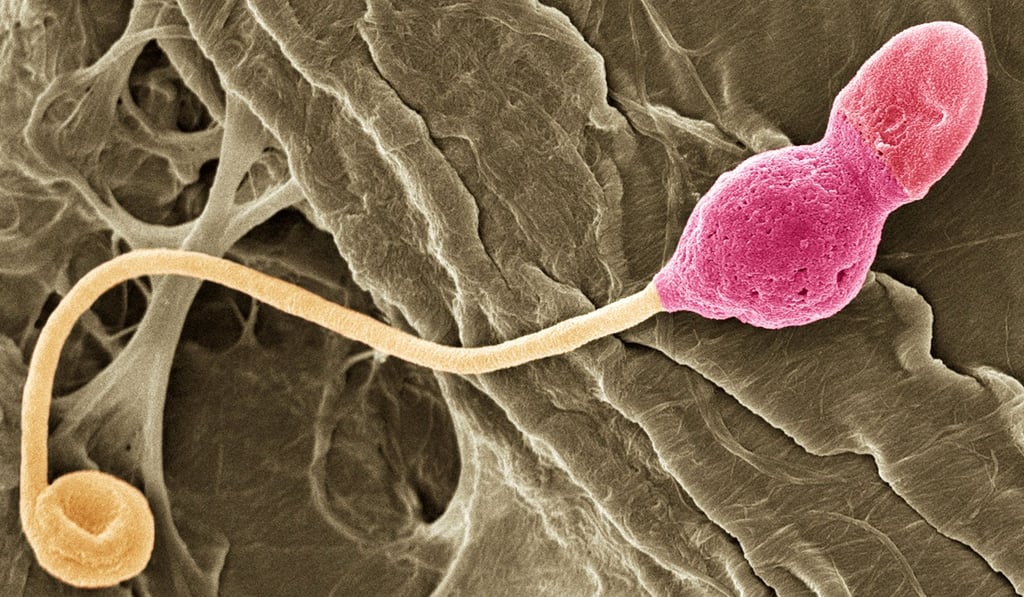
Natural fertilisation is a brutal game. In humans and other mammals, the race begins with the sudden onrush of more than 60m sperm. Each is intent on fusing with the egg, but for a sperm to have a chance it must outswim all rivals and endure hazards from acid baths to immune attack.
The swimming skills of sperm have been studied before, but scientists at Cornell looked specifically at how sperm fared when they reached narrow parts in the female reproductive tract, such as the small opening from the uterus to the Fallopian tubes. These obstacles pose a particular challenge, not least because the sperm are swimming upstream, meaning they must battle through fluid that is flowing towards them.